Hardwood floors add warmth, durability, and value to a home, but water exposure can cause swelling, discoloration, buckling, and damage beneath the surface. A leaking pipe, overflowing appliance, roof leak, or flood can allow moisture to penetrate the wood and subfloor, making prompt action essential. For homeowners throughout Connecticut, water damage can become a serious concern following heavy rainfall, plumbing failures, and seasonal storms. Force 1 Restoration Services helps homeowners understand the importance of professional water damage restoration, moisture removal, and property repairs after unexpected water intrusion.
Professional restoration involves more than removing visible water. Experienced water damage restoration companies inspect the affected flooring, measure moisture levels, establish an appropriate drying plan, and determine whether damaged boards can be repaired or need replacement. Understanding this process helps homeowners in Hartford, South Windsor, West Hartford, and surrounding Connecticut communities make informed decisions, protect their flooring investment, and reduce the risk of recurring moisture problems.
What Happens to Hardwood Floors After Water Damage?
Hardwood is a natural material that absorbs and releases moisture as environmental conditions change. When water enters the wood, its fibers expand. As the material dries, it contracts, which can create gaps, uneven surfaces, or permanent changes in shape.
The severity of damage depends on how much water entered the flooring, how long the exposure lasted, the wood species, the floor’s finish, and the condition of the subfloor.
Common signs of water-damaged hardwood include:
- Cupping: The edges of individual boards rise above their centers.
- Crowning: The center of a board sits higher than its edges, sometimes following uneven drying or previous moisture conditions.
- Buckling: Sections of flooring lift away from the subfloor because of pressure or moisture-related expansion.
- Discoloration: Dark stains, cloudy finishes, or unusual color changes appear on the surface.
- Gaps and cracking: Boards separate or develop cracks as moisture levels change.
- Musty odors: Persistent dampness beneath the flooring may contribute to unpleasant smells and potential mold growth.
These signs do not always mean the entire floor must be replaced. A professional assessment helps determine the extent of damage and whether restoration is practical.
Connecticut homeowners should pay particular attention to hardwood floors following basement flooding, plumbing leaks, and water intrusion during periods of heavy rainfall. Early inspection can help identify moisture before it causes additional damage.
How Water Damage Restoration Companies Repair Hardwood Floors
Water damage restoration companies follow a systematic process to repair hardwood floors after water damage. The process typically includes inspecting the affected areas, identifying the source of moisture, performing water extraction, and using professional drying equipment to remove trapped moisture.
1. Inspect the Flooring and Identify the Moisture Source
Before repairing hardwood floors, technicians examine the affected rooms and determine how water entered the property. They may inspect nearby walls, baseboards, cabinets, plumbing fixtures, and the subfloor for signs of hidden moisture.
Moisture meters help measure water content in wood and other building materials. Thermal imaging may also help identify temperature patterns associated with damp areas, although additional testing is needed to confirm moisture.
The inspection helps establish whether the damage is limited to the floor’s finish or extends into the wood and supporting materials.
Technicians also consider whether the water came from a clean supply line, an appliance leak, or contaminated floodwater. The source affects cleaning requirements, safety precautions, and which materials can be retained.
For homeowners in Hartford, Manchester, South Windsor, and nearby communities, identifying the original water source is particularly important when dealing with recurring plumbing or basement moisture problems.
2. Perform Water Extraction
Standing water should be removed as quickly as possible to limit further absorption. Professional water extraction uses suitable pumps, wet vacuums, and other equipment to collect water from affected areas.
This step is particularly important when water has spread across several rooms or entered gaps between floorboards.
During water removal, restoration professionals may also:
- Remove water from accessible low areas.
- Check nearby carpets, rugs, and furniture for moisture.
- Move or protect belongings where practical.
- Assess whether baseboards or other materials require removal to support drying.
- Identify areas where water may have reached the subfloor.
Water extraction reduces the amount of moisture that drying equipment must remove. However, removing visible water does not guarantee that the wood or subfloor is dry.
3. Begin Professional Hardwood Floor Drying
Effective hardwood floor drying is one of the most important stages of restoration. Wood can retain moisture long after its surface feels dry, particularly when water has reached the underside of the boards.
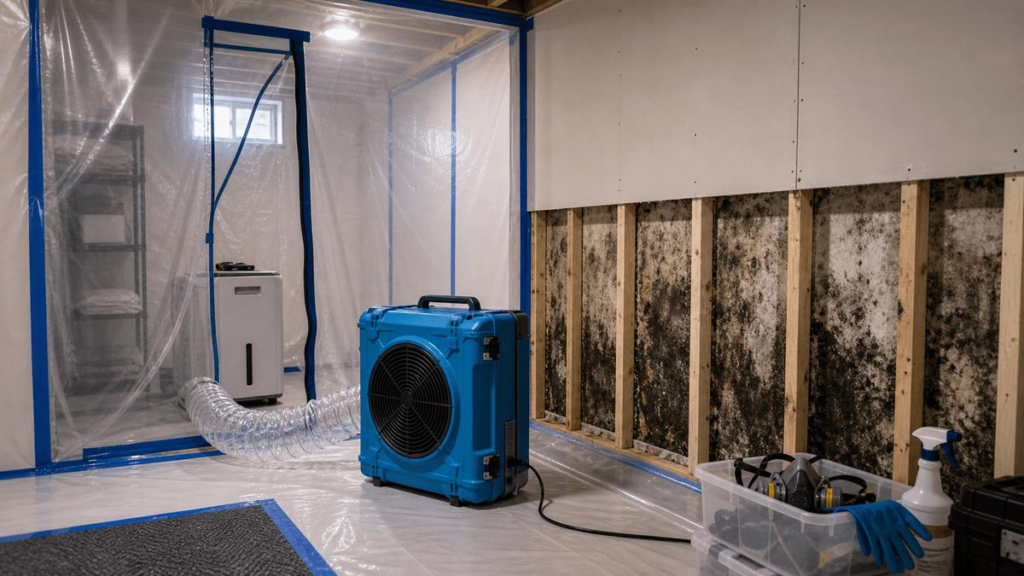
Restoration technicians select drying equipment based on the affected area and the construction of the flooring. Air movers encourage evaporation, while commercial dehumidifiers remove moisture from indoor air. In some cases, specialized drying systems may be needed to address moisture trapped beneath the floor.
Technicians monitor moisture readings throughout the process rather than relying on appearance alone.
Drying should be controlled and monitored because excessive heat or uneven drying can worsen warping, cracking, or gaps. The objective is to bring the flooring and surrounding materials toward appropriate moisture levels without creating additional damage.
This is especially important for Connecticut properties where seasonal humidity changes can influence indoor moisture conditions. Proper drying helps reduce the likelihood of additional flooring problems after restoration.
4. Evaluate and Repair the Subfloor
Hardwood flooring depends on a stable, dry subfloor. If moisture reaches the material underneath, the damage may continue even after the visible surface has dried.
Professionals inspect accessible sections for swelling, softness, separation, deterioration, or other signs of damage. Depending on the floor’s construction, this may require removing selected boards or sections of flooring.
If the subfloor remains structurally sound, it may be possible to dry it and retain it. Severely damaged materials may require replacement before the hardwood can be reinstalled.
Skipping this stage can allow trapped moisture to affect newly repaired flooring. A complete restoration plan therefore considers both the hardwood surface and the materials supporting it.
5. Repair or Replace Damaged Hardwood Boards
Once moisture levels have stabilized, technicians assess whether the existing boards can be saved.
Minor surface staining or limited finish damage may respond to appropriate cleaning, sanding, and refinishing. Slight cupping may improve as the wood returns to a more stable moisture condition, although recovery is not guaranteed.
Boards that remain severely warped, split, detached, or structurally damaged may need replacement.
When replacing boards, the repair professional considers wood species, board dimensions, installation method, and finish compatibility. Matching the existing floor can be challenging if the original wood has aged or changed color over time.
The decision should be based on the floor’s actual condition rather than assuming that all water-damaged hardwood needs to be removed.
6. Complete Sanding, Refinishing, and Final Inspection
After drying and necessary repairs, some floors require sanding and refinishing to improve their appearance. Sanding removes a thin layer of wood and helps create a more even surface, while a compatible finish provides protection and restores the floor’s appearance.
This approach is not suitable for every floor. Engineered hardwood has a limited wear layer, and repeated sanding may not be possible. Solid hardwood can also have limits depending on its thickness and previous refinishing history.
Before the project is considered complete, professionals should review the repaired areas, confirm appropriate moisture conditions, and check that the flooring is stable.
At Force 1 Restoration, water damage restoration and reconstruction services address property damage through assessment, drying, and appropriate repair work. The specific flooring repairs required depend on the findings at the property.
Hardwood Floor Restoration Process at a Glance
The following table summarizes the main stages of professional floor restoration.
| Restoration Stage | Main Purpose | Expected Result |
|---|---|---|
| Initial inspection | Identify moisture and visible damage | A clear assessment of affected areas |
| Water extraction | Remove standing water | Less moisture remains in the property |
| Controlled drying | Reduce moisture in wood and subfloor | Improved drying conditions |
| Subfloor assessment | Check supporting materials | A stable base for repairs |
| Board repair or replacement | Address damaged flooring | Improved floor stability |
| Sanding and refinishing | Restore suitable surfaces | More consistent appearance |
| Final inspection | Review repairs and moisture conditions | Confirmation that identified work is complete |
Not every project requires every stage. Minor incidents may need limited drying, while prolonged leaks or flooding can require extensive material removal and reconstruction.
How Long Does Hardwood Floor Restoration Take?
The timeline depends on the amount of water, the type of flooring, the condition of the subfloor, and the extent of repairs.
Initial water removal may begin immediately, but professional drying can take several days or longer. The flooring must reach suitable moisture conditions before technicians can reliably decide whether boards need replacement or refinishing.
Additional time may be necessary when the subfloor is damaged, replacement materials must be sourced, or finishing products need time to cure.
Connecticut homeowners should also consider how indoor humidity and seasonal weather conditions can affect drying. Restoration professionals may need additional monitoring to confirm that both the hardwood and supporting materials have reached appropriate moisture levels.
Homeowners should avoid rushing the process. Installing replacement boards or applying a new finish while moisture remains trapped can lead to further warping, adhesion problems, and repeat repairs.
Factors That Affect Hardwood Floor Recovery
Several conditions influence whether hardwood flooring can be restored successfully.
Duration of Water Exposure
A brief spill that is removed promptly may cause limited damage. Water that remains for an extended period has more opportunity to penetrate board joints and the subfloor.
Type of Hardwood Flooring
Solid hardwood and engineered hardwood respond differently to moisture. Engineered flooring contains layers that may separate or swell, while solid boards may cup, crack, or develop gaps. The appropriate repair depends on the product’s construction and condition.
Water Source and Contamination
Water from a clean supply line presents different restoration requirements from sewage or contaminated floodwater. Porous flooring that has absorbed contaminated water may not be suitable for salvage, depending on the circumstances.
Condition of the Subfloor
A sound subfloor supports successful repairs. Swollen, deteriorated, or unstable materials can complicate restoration and increase the amount of work needed.
Time Before Restoration Begins
Prompt professional assessment can help limit secondary damage. Delays allow moisture to remain trapped and may increase the likelihood of mold growth or further deterioration.
What Homeowners Should Do Before Restoration Begins
Homeowners can take several practical steps while arranging professional help.
- Stop the water source if it is safe to do so.
- Avoid walking on buckled or unstable floor sections.
- Move furniture and belongings away from wet areas when safe and practical.
- Keep electrical equipment away from standing water and avoid entering flooded spaces with electrical hazards.
- Photograph visible damage for documentation and potential insurance claims.
- Avoid using excessive heat, aggressive sanding, or unapproved cleaning chemicals.
- Contact a qualified restoration professional promptly.
If the water may be contaminated, avoid disturbing affected materials until appropriate safety measures are established.
For Connecticut homeowners dealing with basement flooding or water intrusion after heavy rainfall, taking these precautions can help reduce additional property damage while professional assistance is arranged.
When Should You Contact Water Damage Restoration Companies?
Professional help is advisable when water has spread across a room, flooring has started to buckle, a leak has continued unnoticed, or moisture may have reached the subfloor. Persistent odors and recurring stains also warrant investigation.
When comparing water damage restoration companies in Connecticut, homeowners should look for relevant experience, appropriate equipment, clear inspection procedures, and a willingness to explain which repairs are necessary. Ask how moisture will be monitored and whether the assessment includes the subfloor and nearby building materials.
A search for water restoration near me can help identify local providers, but homeowners should verify their service area and the scope of their work before proceeding.
For properties in Hartford, South Windsor, West Hartford, and surrounding Connecticut communities, Force 1 Restoration’s water damage restoration services provide information about water removal, structural drying, and property restoration. Its reconstruction services may also be relevant when water damage requires building repairs beyond the initial cleanup.
Choosing a restoration professional who understands the different stages of water removal, drying, and reconstruction can help homeowners make informed decisions about their damaged hardwood floors.
Conclusion
Hardwood floor recovery after water damage requires careful assessment, effective water removal, controlled drying, and repairs suited to the condition of the wood and subfloor. Acting promptly can improve the chances of saving the existing flooring, while moisture monitoring helps reduce the risk of recurring damage.
Choosing qualified water damage restoration companies allows homeowners to understand the condition of their floors and make informed decisions about repair or replacement. The right approach addresses hidden moisture as well as visible damage, helping protect the property’s structure and appearance.
For homeowners dealing with a leak, flooding, or water-damaged hardwood in Connecticut, Contact Us at Force 1 Restoration Services to discuss the damage and determine the appropriate next steps for water removal, drying, and property restoration.
Frequently Asked Questions
Yes, some hardwood floors can be restored if the damage is limited and the boards remain structurally sound. A professional assessment determines whether drying, refinishing, or board replacement is appropriate.
Drying may take several days or longer, depending on the amount of moisture, flooring construction, and subfloor condition. Moisture measurements help determine when drying is sufficiently complete.
No. Some boards may recover as moisture levels stabilize, but severe buckling or permanent deformation may require replacement. The cause of the damage and the condition of the subfloor must also be evaluated.
Yes. Persistent moisture beneath flooring or inside the subfloor can create conditions that support mold growth. Prompt water removal, controlled drying, and appropriate remediation help address this risk.
Depending on the damage, floor restoration may include inspection, water extraction, drying, subfloor repairs, board replacement, sanding, and refinishing. Not every floor requires all these services.