A professional mold remediation service for a Connecticut residential property typically begins with a detailed mold inspection and moisture assessment. Technicians then work through containment, safe removal of affected materials, HEPA filtration, cleaning, drying, and necessary repairs. The process is designed to address visible mold while also finding the moisture conditions that allowed it to develop.
For Connecticut homeowners, water-related problems can occur after frozen or burst pipes, basement flooding, heavy rainfall, roof leaks, plumbing failures, storm-related water intrusion, or persistent humidity. These events can affect drywall, flooring, insulation, baseboards, and other materials. Force 1 Restoration approaches the work by identifying the source first, controlling the affected area, and then moving into cleaning and restoration.
Why Mold Remediation Goes Beyond Cleaning
Mold growth is closely connected to excess moisture. A leaking pipe, roof leak, overflowing appliance, flooding event, condensation, or high indoor humidity can leave building materials damp enough for mold to develop.
Connecticut homes can experience several types of moisture problems throughout the year. Winter can bring frozen pipes and plumbing failures, while spring snowmelt and heavy rain can introduce water around foundations and into basements. Summer humidity can also contribute to condensation in poorly ventilated areas.
Visible mold may appear on walls, ceilings, flooring, trim, or other surfaces, but the visible area does not always show the full extent of the problem. Moisture can move behind walls or beneath flooring, while mold can develop on materials that are not immediately visible.
Household cleaning may remove surface growth from a small area, but it does not necessarily address hidden moisture or contamination inside porous materials. Professional mold remediation service takes a broader approach by identifying the cause, limiting the spread of mold particles, removing materials that cannot be adequately restored, and drying the affected structure.
Common Hidden Moisture Locations in Connecticut Homes
Technicians may pay particular attention to:
- Behind baseboards and trim
- Around plumbing fixtures and supply lines
- Beneath flooring and subfloors
- Inside wall cavities
- Around basement walls
- Near windows and exterior walls
- Around HVAC equipment and vents
- Under cabinets and built-in materials
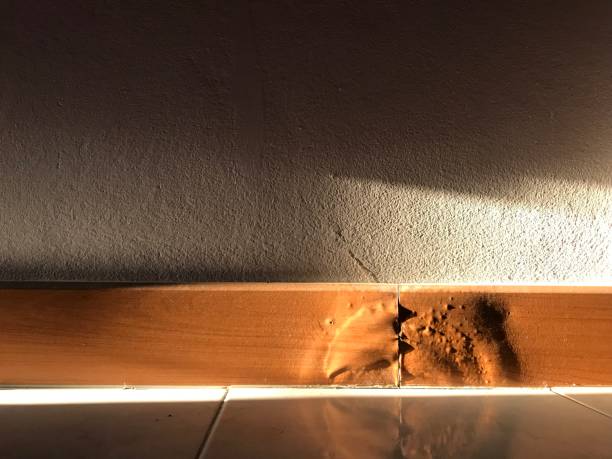
Baseboards are a good example. They can absorb water from wet flooring or nearby walls. Over time, this can lead to staining, swelling, soft spots, peeling finishes, or deterioration.
The First Step Is a Careful Inspection
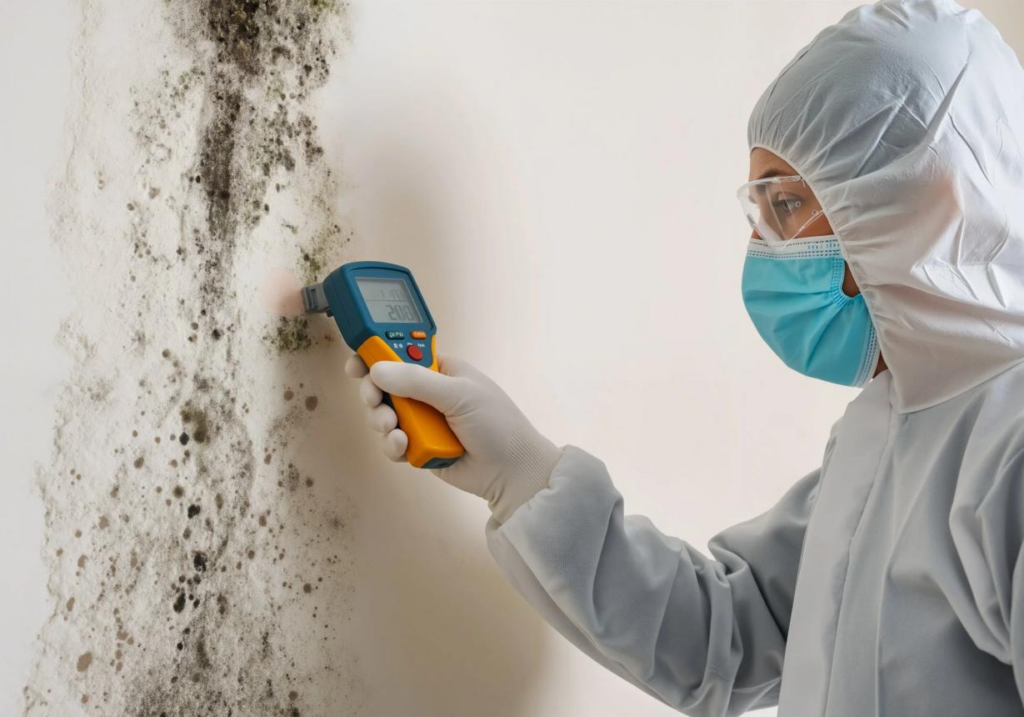
A professional project generally starts with an inspection of the property. Technicians examine visible mold, areas with water damage, damp materials, staining, musty odors, and locations where moisture may be entering or collecting.
For Connecticut homeowners, the inspection may include basements, crawl spaces, lower-level rooms, plumbing areas, exterior-facing walls, and locations affected by recent storms or water intrusion.
Moisture meters and other assessment tools can help identify damp materials that may look dry on the surface. The inspection can also extend into areas around plumbing fixtures, cabinets, flooring, walls, ceilings, and baseboards.
The purpose is to establish the source and extent of the moisture problem before removal work begins. This helps prevent a situation in which visible mold is cleaned while an active leak continues feeding moisture into the structure.
What Technicians May Look For
- Visible mold growth – Areas where mold can be seen on walls, floors, ceilings, or trim.
- Moisture readings – Materials that retain moisture despite appearing dry.
- Water entry points – Plumbing, roofing, windows, foundations, or other possible sources.
- Hidden affected areas – Spaces behind trim, walls, cabinets, or flooring.
- Material damage – Swelling, deterioration, staining, or other signs that materials have been affected.
Air or surface testing may be useful in specific circumstances, but testing alone does not replace a physical inspection. The condition of the building, visible growth, moisture readings, and history of water damage all contribute to determining the appropriate remediation plan.
Moisture Problems Must Be Addressed
Mold needs moisture to grow. Removing mold without correcting the source of that moisture can leave the property vulnerable to recurring growth. This is why mold remediation service is essential after hidden water damage, particularly when moisture has remained behind walls, beneath flooring, or around baseboards without being noticed.
This is particularly important after Connecticut water damage. A damaged supply line may continue leaking behind a wall after visible water has been removed. A roof leak may keep insulation and framing damp. Basement water intrusion can also leave flooring, drywall, baseboards, and structural materials exposed to moisture.
Winter plumbing problems deserve attention as well. A frozen pipe can release a significant amount of water into a home once it fails. If affected materials are not properly dried, mold growth can develop after the original plumbing problem appears to be resolved.
Common Moisture Sources
| Moisture source | Materials that may be affected |
|---|---|
| Burst or leaking pipes | Drywall, flooring, trim, insulation |
| Basement flooding | Flooring, baseboards, drywall, stored materials |
| Roof leaks | Ceilings, insulation, framing, walls |
| Heavy rain or storm water | Foundations, lower walls, flooring |
| Appliance leaks | Flooring, cabinets, baseboards |
| Condensation | Walls, ceilings, HVAC areas, trim |
| Plumbing fixture leaks | Cabinets, flooring, drywall, subfloor |
The moisture source may require work from a plumber, roofer, HVAC professional, or another qualified contractor, depending on the cause. Once the source has been controlled, remediation technicians can focus on drying affected materials and dealing with contamination.
This step is especially relevant to baseboards. If the floor or wall remains damp, installing new trim too soon can expose the replacement material to the same conditions that damaged the original.
Containment Keeps the Work Area Controlled
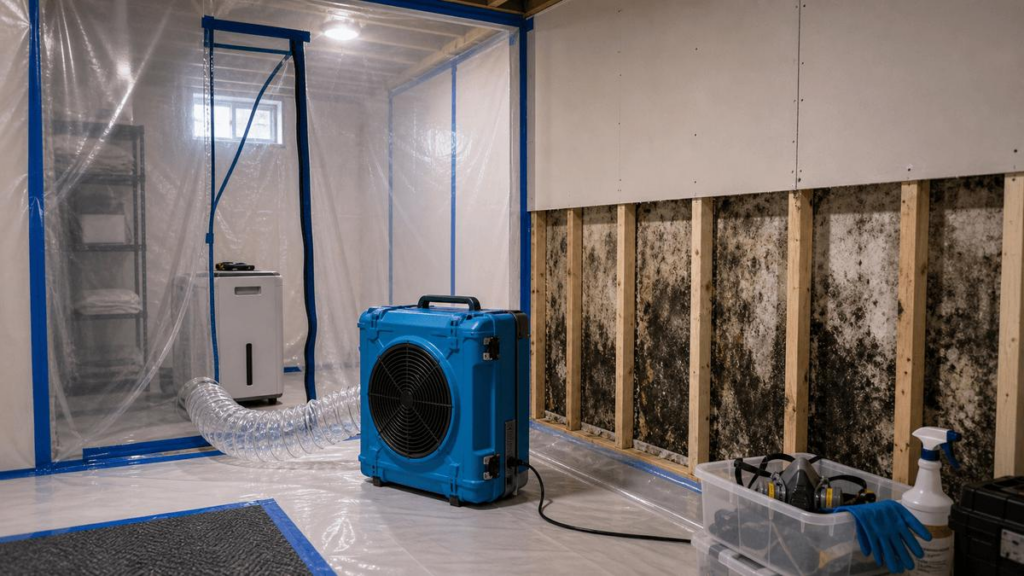
Containment is used to separate contaminated areas from unaffected parts of the home. It can be particularly useful when mold is extensive or when removing damaged materials may disturb settled particles.
Plastic barriers, controlled access points, and negative air pressure may be used as part of the containment setup. The exact measures depend on the size and location of the affected area.
For a Connecticut homeowner, containment may mean that one room, basement area, or section of the property becomes temporarily restricted. This controlled environment gives technicians a defined area in which to perform removal and cleaning work while reducing the movement of airborne particles into other rooms.
A Typical Containment Process
- Identify the affected area.
- Separate it from unaffected areas.
- Establish controlled access.
- Use appropriate air-control measures when needed.
- Perform removal and cleaning within the controlled space.
- Clean equipment and surrounding areas as part of the remediation process.
Containment is not simply about covering furniture or placing plastic around a work area. It is part of a broader strategy for controlling conditions during remediation.
HEPA Filtration Helps Control Airborne Particles
Mold remediation can disturb particles that have settled on surfaces. Cutting drywall, removing baseboards, pulling up flooring, or cleaning contaminated materials can also release particles into the air.
HEPA filtration equipment can help capture very small airborne particles during the remediation process. Air scrubbers equipped with appropriate filtration may operate within the contained area, while HEPA-filtered vacuums can be used during cleaning.
Filtration supports the physical removal of mold. It does not eliminate the need to remove contaminated materials, correct moisture problems, or clean affected surfaces.
The goal is to control airborne contamination while the work is taking place and reduce the amount of particulate matter that can move beyond the work area.
Damaged Materials Are Evaluated for Cleaning or Removal
Not every material affected by mold needs to be discarded. The appropriate decision depends on the material, the amount of contamination, the degree of moisture damage, and the ability to clean the material effectively.
Nonporous surfaces can often be cleaned more readily than porous materials. Materials that have absorbed significant moisture or developed extensive mold growth may be difficult to restore.
Materials Commonly Evaluated
- Drywall and insulation
- Flooring and subfloor materials
- Wood framing and trim
- Cabinets and built-in materials
- Baseboards
- Other porous or moisture-affected materials
Connecticut homes with finished basements can require particular attention after water intrusion because drywall, flooring, trim, and insulation may absorb moisture before the problem becomes obvious.
Removing damaged materials requires care because disturbance can release particles. Professionals use containment and appropriate work practices to keep removal controlled.
What Happens to Mold-Affected Baseboards?
Baseboards can be one of the first visible signs of water-related damage. Their position near the floor makes them vulnerable to water from leaks, flooding, wet flooring, and moisture traveling through walls.
This can be especially noticeable in Connecticut basements and lower-level rooms after plumbing failures, heavy rain, snowmelt, or other water events.
A technician may inspect the back of the baseboard as well as the wall and floor behind it. This can reveal conditions that are hidden when the trim is still installed.
The restoration decision often depends on the condition of the material.
| Baseboard condition | Likely approach |
| Light surface contamination with sound material | Clean and dry the baseboard |
| Minor swelling with otherwise usable material | Assess for drying and repair |
| Significant warping or deterioration | Remove and replace affected sections |
| Extensive contamination or material breakdown | Remove contaminated trim and restore the area |
Baseboard repair and restoration should be performed only after the underlying moisture issue has been addressed. New trim should not be installed over damp or contaminated surfaces.
When replacement is necessary, the affected section can be removed, the surrounding area cleaned and dried, and new material installed during the restoration stage.
Cleaning the Remaining Surfaces
After unsalvageable materials have been removed, technicians clean the remaining affected surfaces using methods appropriate for each material.
HEPA vacuuming can help collect settled particles. Damp cleaning methods may also be used on suitable surfaces. The exact process depends on the type of material and the extent of contamination.
Cleaning should cover more than the center of a visible mold patch. Nearby surfaces, edges, corners, framing, and areas exposed during material removal may also require attention.
For a Connecticut basement or lower-level room, this can include checking flooring edges, foundation-facing walls, trim, framing, and other nearby areas that may have been exposed to moisture.
The objective is to remove contamination while avoiding unnecessary damage to materials that can remain in the structure.
Drying the Structure Properly
Moisture removal is a major part of successful remediation. Materials that remain damp can continue creating favorable conditions for mold growth.
Professional drying may involve air movers, dehumidifiers, moisture meters, and other equipment. Technicians monitor moisture levels rather than relying only on how a surface feels.
Areas That May Require Drying
- Walls and wall cavities
- Flooring and subfloors
- Wood framing
- Cabinets and trim
- Basement areas
- Insulation
- Other moisture-affected materials
The time required varies according to the amount of water, materials affected, airflow, temperature, humidity, and accessibility.
Connecticut’s seasonal conditions can also influence drying. Cold winter temperatures, humid summer conditions, and limited airflow in enclosed basement spaces can all affect drying conditions.
Proper structural drying also helps protect wood and other building materials from continued deterioration.
A Post-Remediation Inspection Checks the Work
Once cleaning and drying are complete, the affected areas should be reviewed again. Technicians can inspect surfaces, review moisture readings, and check locations that were previously affected.
The purpose is to confirm that the identified contamination has been addressed and that moisture conditions are under control.
The Final Review May Include
- Checking previously affected surfaces.
- Reviewing moisture readings.
- Inspecting areas exposed during material removal.
- Confirming that drying has been completed appropriately.
- Identifying areas that need additional cleaning or repair.
For larger or more complicated projects, additional verification or clearance procedures may be appropriate. The exact requirements depend on the circumstances of the property and applicable professional or local standards.
Restoration Repairs the Damaged Parts of the Home
Remediation removes or controls the contamination. Restoration repairs the physical damage left behind by the moisture event and remediation work.
This can involve replacing drywall, insulation, flooring, baseboards, or other building materials. Painting and finish work may follow once the affected structure is dry and suitable for rebuilding.
Force 1 Restoration can address restoration needs after contaminated materials and moisture conditions have been properly handled. The sequence matters because rebuilding too early can place new materials in an environment that has not been fully dried or corrected.
For Connecticut homeowners, restoration may follow basement flooding, burst pipes, roof leaks, heavy rain, storm-related water intrusion, or other events that leave interior building materials damaged.
How Long Does Residential Mold Remediation Take in Connecticut?
There is no single timeline for every property. A small, localized area may require less work than a Connecticut home with mold affecting multiple rooms, wall cavities, flooring, insulation, or structural materials.
The duration can depend on:
- Source of moisture
- Extent of contamination
- Materials involved
- Drying conditions
- Accessibility
- Size of the affected area
- Amount of reconstruction required
A basement affected by a plumbing failure may require a different process from a home with recurring moisture behind walls or water intrusion following a major storm.
An inspection provides a more reliable estimate than a general time promise. Homeowners should expect the schedule to reflect the actual condition of the property rather than a fixed number of hours or days.
What Connecticut Homeowners Should Do During the Process
Homeowners should follow the remediation team’s instructions regarding access to affected areas. A contained work area may need to remain closed during removal, cleaning, and drying.
Avoid disturbing visible mold, sanding contaminated surfaces, or removing affected materials without suitable controls. These activities can spread particles and make the affected area larger.
It is also useful to report any signs of continuing moisture. A recurring leak, condensation problem, damp basement, or wet area can undermine the work if it is left unresolved.
Homeowner Checklist
Before and during remediation:
- Keep people and pets away from restricted work areas.
- Do not disturb visibly affected materials.
- Report continuing leaks or damp areas.
- Follow instructions regarding ventilation and access.
- Avoid installing replacement materials before drying is complete.
- Keep records of the original water event and repairs when possible.
How Professional Remediation Differs From DIY Cleaning
Professional remediation is not simply a larger version of household cleaning. The main difference is the way the entire moisture and contamination problem is assessed and controlled.
| DIY surface cleaning | Professional remediation |
| Focuses mainly on visible growth | Assesses visible and hidden moisture conditions |
| May not identify the moisture source | Investigates the cause of water or moisture |
| Usually has no formal containment | Can use controlled containment procedures |
| Limited equipment | May use HEPA filtration and professional drying equipment |
| May not address damaged materials | Evaluates materials for cleaning, removal, and restoration |
DIY cleaning may be reasonable for some minor surface issues, but larger problems, recurring growth, or mold associated with significant water damage deserve professional evaluation.
For Connecticut homeowners, this is particularly relevant after basement flooding, burst pipes, roof leaks, heavy rain, or long-standing moisture problems. A visible patch may only represent part of the affected area.
Conclusion
Residential mold remediation in Connecticut is a process that combines inspection, moisture control, containment, filtration, cleaning, drying, and restoration. The goal is to address the conditions that support mold growth rather than simply making visible stains disappear.
Baseboards can require special attention after water damage because they may absorb moisture and conceal problems along the wall and floor. Cleaning may be enough for some materials, while damaged sections may need careful removal and replacement.
For Connecticut homeowners facing recurring mold, musty odors, water-damaged trim, basement moisture, or signs of hidden water damage, professional assessment can help identify the actual scope of the problem and determine the appropriate path for remediation and repair.
If your Connecticut home has been affected by a leaking pipe, flooded basement, storm water, roof leak, or persistent moisture, addressing the problem early can help prevent additional damage to building materials.
Do not wait if mold keeps returning, moisture remains present, or baseboards, drywall, flooring, or other materials show signs of damage. Contact us today to discuss your situation and take the next step toward a cleaner, drier, and properly restored Connecticut home.
Frequently Asked Questions
Professional remediation can include inspection, moisture assessment, source correction, containment, removal of affected materials, HEPA filtration, cleaning, drying, and post-remediation evaluation. Restoration work may follow if building materials were damaged or removed.
An inspection can combine visual assessment with moisture measurements and examination of areas around known or suspected water damage. Technicians may inspect behind trim, near plumbing, around flooring, or in other locations where moisture can remain concealed.
It can, depending on the service provider and project scope. Baseboards that are heavily damaged, deteriorated, or extensively contaminated may need replacement after the surrounding area has been cleaned and dried.
Yes. Moisture can collect between the wall and trim, particularly after leaks or flooding. If the baseboard is removed, the wall, flooring edge, and back of the trim can be inspected for moisture damage or mold growth.
HEPA filtration equipment captures very small airborne particles and can help control particles released during cleaning and material removal. It works as part of a larger remediation process that also addresses moisture and contaminated materials.
Mold can return if the property develops another moisture problem or the original moisture source has not been corrected. Keeping the area dry and addressing leaks or persistent humidity can help reduce the risk of recurrence.
No. Sound materials with limited contamination may be suitable for professional cleaning and drying. Severely damaged or extensively contaminated baseboards may require removal and replacement.
Basements can be exposed to plumbing leaks, foundation moisture, heavy rainfall, snowmelt, flooding, and humidity. Because many Connecticut homes have finished or partially finished lower levels, moisture can affect drywall, flooring, insulation, trim, and other materials before the problem becomes obvious.