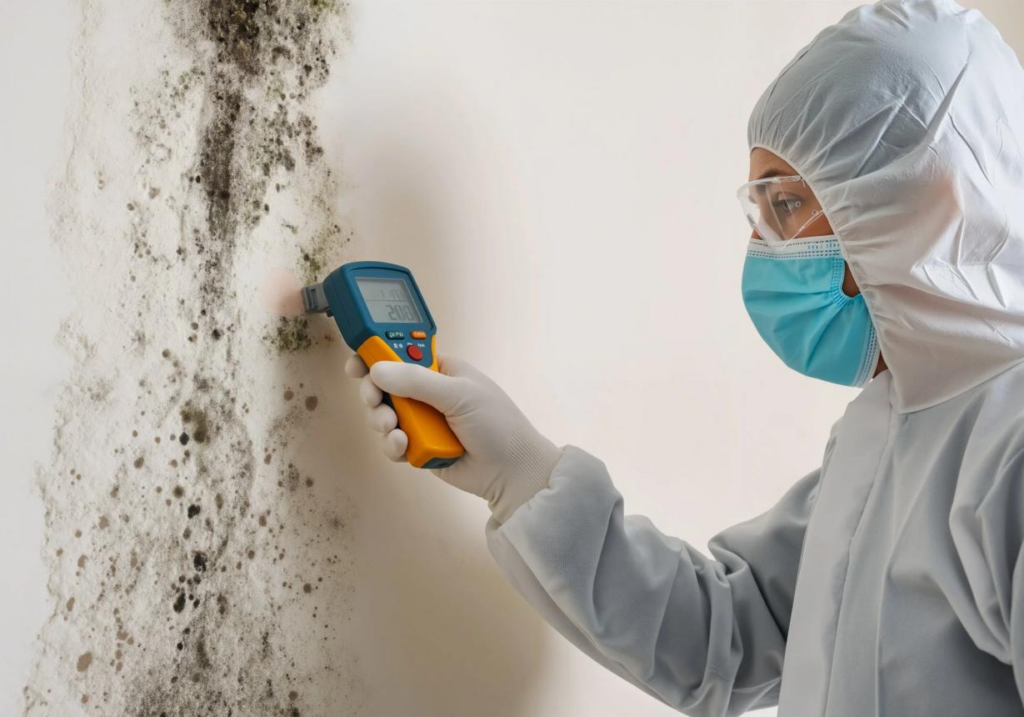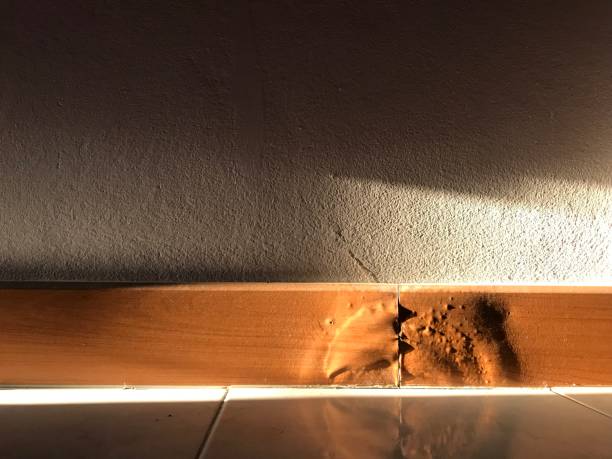
Mold can become a persistent problem in storage containers when moisture, poor ventilation, and damp belongings create the right conditions for growth. Property owners may store clothing, documents, furniture, seasonal decorations, tools, and other belongings for months without checking them. If moisture enters the container or humidity remains high, mold can develop before the problem becomes noticeable. Understanding practical mold clean up services and prevention strategies can help property owners protect storage areas and reduce the risk of recurring mold growth.
Long-term mold prevention starts with more than cleaning visible growth. Property owners should focus on humidity control, proper storage practices, moisture management, and an effective cleanup process. When mold has already developed or continues to return, professional assessment may help identify the underlying moisture problem and determine the appropriate remediation approach. Force 1 Restoration Services helps property owners address mold and moisture-related concerns with professional restoration solutions.
Why Mold Develops Inside Storage Containers
Storage containers can provide a convenient way to protect belongings from weather, clutter, and other property conditions. However, an enclosed container can also trap moisture when it does not have sufficient ventilation or when wet items are placed inside.
Temperature changes can cause condensation on walls, ceilings, floors, and stored belongings. Over time, repeated condensation can increase moisture levels and create favorable conditions for mold.
Mold may also develop when containers are placed in areas exposed to rain, flooding, groundwater, or other sources of moisture. Even a small amount of water can become a concern when it remains trapped in an enclosed environment.
Common Conditions That Encourage Mold Growth
Several conditions can increase the likelihood of mold developing inside storage containers:
-
High humidity
-
Poor air circulation
-
Wet or damp belongings
-
Water leaks
-
Condensation
-
Flooding or water intrusion
-
Damp flooring
-
Organic materials such as cardboard, paper, and fabric
-
Long periods without inspection
Identifying these conditions early is an important part of mold prevention.
Tip 1: Keep Storage Containers Dry Before Storing Items
One of the simplest ways to reduce the risk of mold is to make sure both the container and its contents are completely dry before storage.
Items that appear only slightly damp can introduce significant moisture into an enclosed environment. Clothing, towels, carpets, furniture, boxes, and other porous materials can retain moisture long after their surfaces feel dry.
Before placing belongings inside a storage container, property owners should inspect them carefully and allow damp materials to dry completely.
Practical Dry Storage Habits
Property owners can improve storage conditions by:
-
Drying clothing and fabrics completely before storage.
-
Checking furniture for hidden moisture.
-
Avoiding wet cardboard boxes.
-
Cleaning and drying storage containers before use.
-
Keeping stored items off damp floors.
-
Inspecting containers after heavy rain or storms.
-
Avoiding storage of items with visible mold.
These basic habits can support long-term mold prevention and reduce the chance that moisture will remain hidden inside the container.
Tip 2: Maintain Proper Humidity and Air Circulation
Humidity control is an important part of protecting enclosed storage spaces. High humidity can create conditions where mold grows even when there is no obvious water leak.
Storage containers with limited airflow may experience moisture buildup because humid air has nowhere to escape. Temperature fluctuations can make the problem worse by increasing condensation.
Property owners should monitor storage areas regularly and look for signs such as damp surfaces, condensation, musty odors, or moisture accumulation.
How Humidity Control Supports Mold Prevention
Effective humidity control can help reduce moisture-related problems by:
-
Improving air circulation where possible
-
Reducing sources of excess moisture
-
Keeping stored items from being tightly packed together
-
Allowing air to move around stored belongings
-
Checking for condensation regularly
-
Addressing leaks promptly
The appropriate approach depends on the type of storage container, its location, construction, and surrounding conditions.
For properties that have experienced water intrusion, reviewing water damage restoration services can also help property owners understand why proper drying and moisture management are important after water-related incidents.
Tip 3: Store Belongings in a Way That Reduces Moisture Exposure
How items are stored can influence whether moisture becomes trapped around them. Placing boxes directly on the floor or pushing belongings tightly against walls can restrict airflow and make it harder to identify moisture problems.
Cardboard is particularly vulnerable because it can absorb moisture from the surrounding environment. Paper documents, clothing, upholstery, and other porous materials may also retain moisture and become susceptible to mold.
Better Storage Practices
Consider the following practices when organizing a storage container:
-
Keep boxes elevated when possible.
-
Leave space between stored items and walls.
-
Avoid overcrowding the container.
-
Use suitable containers for moisture-sensitive belongings.
-
Keep fabrics clean and completely dry.
-
Avoid placing items directly against potentially damp surfaces.
-
Maintain access to the corners and edges of the container for inspections.
These practices support mold prevention while making it easier to identify moisture problems before they become more extensive.
Tip 4: Follow a Consistent Cleanup and Inspection Process
Even with good storage habits, property owners should inspect storage containers regularly. A container that appears dry during one inspection can develop condensation or moisture problems later due to weather and temperature changes.
Regular inspections can help identify early warning signs before mold spreads to additional belongings.
If mold is discovered, the appropriate response depends on the extent of growth, the affected materials, and the source of moisture. Simply wiping away visible mold may not address the underlying cause.
A professional mold clean up services approach may involve evaluating the affected area, identifying moisture sources, establishing appropriate containment, cleaning affected surfaces, and determining whether damaged materials require removal.
What a Mold Cleanup Process May Include
The exact process depends on the property, but a typical cleanup process may involve:
| Step | Purpose |
| Inspection | Identify visible and potential mold growth |
| Moisture assessment | Determine where excess moisture is coming from |
| Containment | Help prevent unnecessary spread of mold particles |
| Cleaning | Address affected surfaces and materials |
| Material assessment | Determine whether porous materials can be cleaned |
| Drying | Reduce remaining moisture |
| Prevention | Address conditions that could contribute to recurrence |
The purpose of professional remediation is not simply to remove what is visible. It is also to understand the conditions that allowed mold to develop.
How to Recognize Mold Inside a Storage Container
Mold is not always immediately visible. In some cases, the first indication may be an unusual odor or a change in the condition of stored belongings.
Property owners should pay attention to:
-
Musty or earthy odors
-
Dark, green, white, or discolored spots
-
Damp cardboard
-
Stained fabrics
-
Condensation on container surfaces
-
Soft or deteriorating materials
-
Repeated moisture accumulation
-
Mold returning after cleaning
A musty odor does not automatically confirm mold, but it can be a reason to inspect the storage environment more carefully.
Why Cleaning Visible Mold May Not Be Enough
Surface cleaning can remove visible mold from some materials, but it may not resolve the conditions that caused the growth. If moisture remains present, mold may return.
For example, cleaning a moldy box does not solve the problem if the storage container continues to experience condensation. Similarly, cleaning a damp wall does not address an underlying leak.
This is why moisture control should remain a central part of long-term mold prevention.
Professional mold clean up services can help property owners evaluate whether the issue is limited to surface contamination or whether additional moisture-related concerns require attention.
Protecting Different Types of Stored Belongings
Different materials react differently to moisture. Understanding which belongings are more vulnerable can help property owners prioritize inspections.
| Stored Item | Moisture Concern | Prevention Approach |
| Clothing | Can retain moisture and develop odors | Store completely dry |
| Cardboard boxes | Easily absorb moisture | Keep elevated and dry |
| Books | Paper can absorb moisture | Store in controlled conditions |
| Furniture | Upholstery and wood can retain moisture | Inspect before storage |
| Documents | Sensitive to humidity | Use appropriate protective storage |
| Seasonal decorations | May remain stored for long periods | Inspect periodically |
Regular inspections are particularly important for belongings that remain inside storage containers for extended periods.
What to Do When Mold Keeps Returning
Recurring mold is often a sign that the underlying conditions have not been fully addressed. If mold continues to appear after cleaning, property owners should look for possible sources of moisture rather than repeatedly cleaning the same area.
Potential causes may include:
-
Persistent condensation
-
Water leaks
-
Poor ventilation
-
Ground moisture
-
Flooding
-
Damp materials
-
Moisture entering through walls or flooring
When the cause is difficult to identify, professional assessment may provide a clearer understanding of the situation.
Force 1 Restoration Services offers restoration solutions for property owners dealing with mold and moisture-related concerns. Its mold removal and remediation services can help address affected areas and the conditions contributing to mold growth.
Long-Term Mold Prevention for Storage Areas
Long-term mold prevention requires consistent attention rather than a single cleanup. Property owners should treat storage maintenance as part of routine property care.
A practical maintenance routine can include:
-
Inspecting stored belongings periodically.
-
Checking for condensation.
-
Looking for leaks after storms.
-
Keeping items elevated from damp surfaces.
-
Maintaining appropriate airflow.
-
Removing wet materials promptly.
-
Monitoring areas that have experienced previous water damage.
-
Addressing musty odors early.
These simple measures can help reduce the conditions that support mold growth.
When Professional Mold Remediation May Be Needed
Some mold situations can be difficult to evaluate from the surface. Mold may be present behind materials, underneath flooring, inside porous items, or in areas that are difficult to access.
Professional evaluation may be appropriate when:
-
Mold covers a larger area.
-
Mold repeatedly returns.
-
A storage container has experienced water intrusion.
-
There is persistent moisture.
-
A strong musty odor remains.
-
Porous materials have extensive mold growth.
-
The source of moisture is unclear.
A professional cleanup process can help determine the extent of the problem and the appropriate steps for addressing affected areas.
A Better Approach to Protecting Stored Property
Keeping mold out of storage containers requires more than occasional cleaning. Property owners should focus on preventing moisture from entering the storage environment, maintaining appropriate humidity, improving air circulation, and inspecting belongings regularly.
When mold is already present, addressing the underlying moisture source is just as important as cleaning visible growth. A structured approach can help protect stored belongings and reduce the likelihood of recurring problems.
Force 1 Restoration Services can help property owners evaluate mold and moisture concerns and determine appropriate restoration solutions based on the condition of the property.
Protect Your Storage Space With Consistent Mold Prevention
Mold prevention is most effective when it becomes part of regular property maintenance. Keeping storage containers dry, controlling humidity, allowing proper airflow, and inspecting belongings can help reduce the conditions that encourage mold growth.
When visible mold, persistent odors, water intrusion, or recurring moisture becomes a concern, professional mold clean up services can provide a systematic approach to evaluating and addressing the affected environment. Taking action early can help prevent a localized issue from affecting additional stored belongings or surrounding property areas.
For property owners who need assistance with mold or moisture-related concerns, Contact Us to discuss the condition of your property and learn about the appropriate restoration approach.