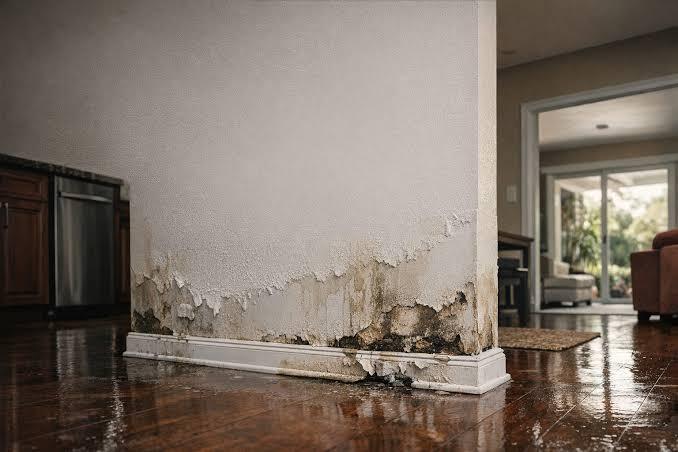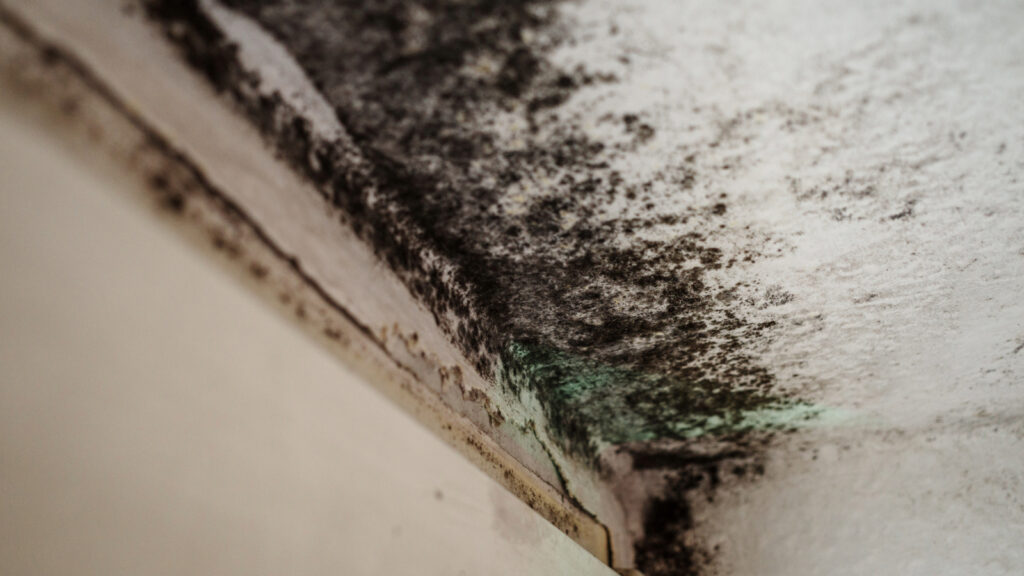
Hidden water damage can create problems that are not always visible immediately. A small leak behind a wall, moisture trapped under flooring, or water intrusion from a storm can create the right conditions for mould growth if the affected areas are not properly addressed. This is why a professional mold remediation service plays an important role after water damage occurs.
At Force 1 Restoration, we understand that identifying and addressing moisture issues quickly is an important part of protecting homes and businesses throughout Connecticut. While visible water damage may seem like the only concern, hidden moisture can continue affecting building materials long after the surface appears dry. A complete assessment, followed by proper mould removal and restoration methods, helps create a safer and healthier indoor environment.
Why a Mold Remediation Service Is Important After Hidden Water Damage
Understanding the connection between water damage and mould growth helps property owners recognise why professional remediation may be necessary. The following sections explain how experts identify problems and restore affected spaces.
Hidden Moisture Can Create Conditions for Mould Growth
When water enters a property, moisture can spread beyond the original source. Building materials such as drywall, insulation, wood framing, and carpets can absorb water and remain damp for extended periods.
Even when visible water has been removed, remaining moisture may continue creating favourable conditions for mould development. This is why professional inspections are important after leaks, flooding, or water intrusion.
Hidden moisture can often be found in areas such as:
-
Behind walls and ceilings
-
Under flooring materials
-
Around plumbing fixtures
-
Inside basements and crawl spaces
-
Near windows with water leaks
-
Around damaged roofing areas
A professional evaluation helps determine whether moisture is still present and whether further action is required.
How a Mold Remediation Service Addresses Moisture Damage
A proper remediation approach involves more than simply removing visible mould. Professionals follow a structured process designed to identify the source of moisture, contain affected areas, and restore the property.
A detailed mold remediation service focuses on understanding the extent of the issue before beginning corrective work. This prevents treating only the visible signs while leaving underlying problems unresolved.
For property owners dealing with water-related concerns, services such as professional water damage restoration can help address the moisture source before mould issues become more serious.
The Connection Between Water Damage and Mould Problems
Water damage and mould growth are closely connected because mould requires moisture to develop. When water remains inside materials, mould spores may begin growing depending on environmental conditions.
The risk increases when:
-
Water damage is not discovered quickly
-
Materials remain damp for long periods
-
Areas have limited airflow
-
Humidity levels remain high
-
Previous leaks were not fully repaired
This is why addressing the original moisture problem is an essential part of the remediation process.
Understanding the Mold Remediation Process
A successful remediation process involves several stages. Each step helps professionals identify affected areas, manage contamination risks, and restore the property properly.
The exact approach may vary depending on the size of the affected area and the type of materials involved.
Inspection and Moisture Assessment
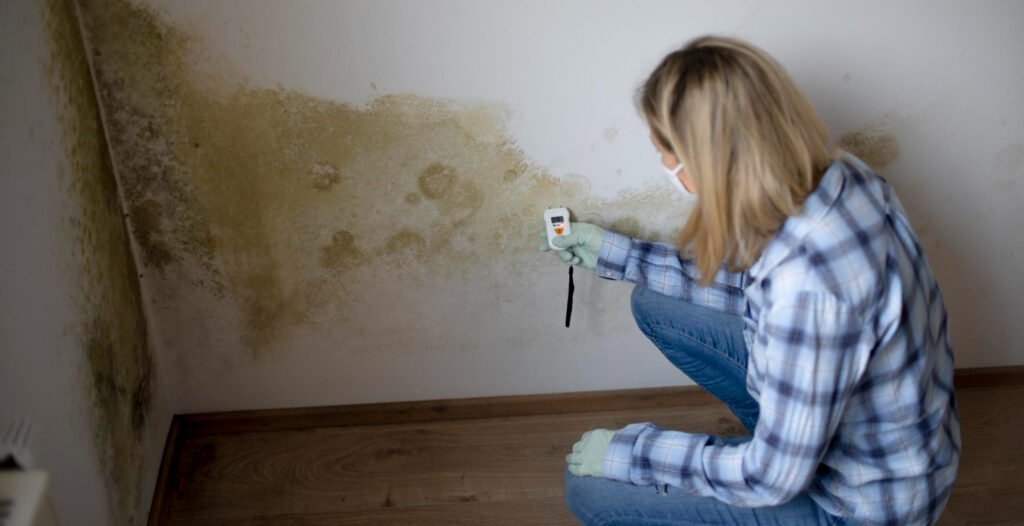
The first step involves inspecting the property to determine where moisture and mould may be present.
Professionals may evaluate:
-
Visible mould growth
-
Moisture levels in building materials
-
Areas affected by previous leaks
-
Air circulation and humidity conditions
-
Potential sources of water intrusion
This assessment provides valuable information about the scope of work required.
Containment of Affected Areas
Containment is an important part of professional mould remediation. It helps prevent mould particles from spreading to unaffected areas during the removal process.
Depending on the situation, professionals may use protective barriers, specialised equipment, and controlled work areas.
Containment helps:
-
Limit disturbance of affected materials
-
Protect unaffected rooms
-
Create a controlled environment
-
Support a more organised remediation process
By carefully managing the affected area, restoration professionals can focus on removing the problem effectively.
Why Professional Mold Removal Is Different From Basic Cleaning
Many property owners may attempt to clean small areas of mould themselves, but larger or hidden problems often require professional attention. Mould can exist beneath surfaces where standard cleaning methods cannot reach.
Professional mold removal involves identifying affected materials and determining whether they can be cleaned or need replacement.
The Importance of Finding the Source
Removing visible mould without addressing the moisture source may only provide a temporary solution. If water continues entering the property, mould can return.
Professionals focus on both:
-
Removing existing mould growth
-
Addressing the conditions that allowed it to develop
This approach creates a more complete solution rather than focusing only on surface appearance.
Tools and Techniques Used During Remediation
Modern restoration teams use specialised equipment to evaluate and manage moisture problems. These tools allow professionals to work more accurately and efficiently.
Common equipment may include:
| Equipment or Method | Purpose |
|---|---|
| Moisture meters | Detect moisture levels inside materials |
| Air filtration equipment | Helps improve air quality during remediation |
| Dehumidifiers | Reduce excess humidity |
| Containment barriers | Limit spread of affected materials |
| Drying equipment | Supports removal of remaining moisture |
Using the right tools helps ensure that hidden issues are identified and managed properly.
How Hidden Water Damage Affects Connecticut Properties
Connecticut homes and businesses can experience different types of water-related challenges throughout the year. Seasonal weather conditions, heavy rainfall, snowmelt, and plumbing issues can all contribute to moisture problems.
Properties in Connecticut may experience hidden water damage from:
-
Basement flooding
-
Roof leaks
-
Frozen or damaged pipes
-
Storm-related water intrusion
-
Appliance leaks
Because many of these issues begin in areas that are difficult to see, professional inspections can help identify concerns early.
Why Early Action Matters
Waiting too long after water damage occurs can increase the likelihood of additional repairs. Moisture can move through materials and affect larger areas over time.
Early attention may help:
-
Reduce the spread of moisture damage
-
Limit damage to building materials
-
Improve restoration planning
-
Prevent more extensive repairs
A timely response allows professionals to address problems before they become more complicated.
The Role of Air Filtration During Remediation
Air quality management is another important part of professional mould remediation. During removal activities, specialised filtration equipment may be used to help manage airborne particles.
Air filtration supports the remediation process by creating a more controlled environment during restoration work.
Supporting a Cleaner Restoration Environment
Professional teams consider several factors during remediation, including:
-
Air movement
-
Containment requirements
-
Equipment placement
-
Moisture control
-
Material handling
This careful planning helps ensure the restoration process is completed in an organised manner.
Choosing the Right Restoration Support After Water Damage
Selecting experienced professionals can make a significant difference when dealing with hidden moisture and mould concerns. A knowledgeable team understands how water moves through structures and how to identify areas that may require attention.
At this stage, many homeowners and businesses choose a provider that offers complete restoration support rather than focusing on one isolated issue.
Midway through the recovery process, working with a trusted company such as Force 1 Restoration can help property owners better understand their options and make informed decisions about moisture damage and restoration needs.
How a Mold Remediation Service Helps Protect Your Property
A professional mold remediation service provides a structured approach to addressing mould concerns after hidden water damage. From identifying moisture sources to completing the remediation process, each step is designed to support effective restoration.
The benefits of professional remediation include:
-
Accurate identification of affected areas
-
Proper handling of mould growth
-
Better understanding of moisture problems
-
Reduced risk of recurring issues
-
A clearer restoration plan
For Connecticut property owners, addressing hidden water damage early can help protect both the structure and long-term condition of the property.
Conclusion
Hidden water damage can create ongoing challenges if moisture is not properly identified and managed. A professional mold remediation service helps property owners address mould concerns by combining inspection, containment, moisture control, and careful restoration methods.
At Force 1 Restoration, we focus on helping Connecticut homes and businesses understand the importance of proper assessment after water damage. By addressing moisture problems early and following a detailed remediation process, property owners can take steps toward restoring their spaces effectively.
If you notice signs of mould, moisture damage, or water-related concerns, you can reach out through the Contact Us page to discuss your situation and available restoration options.
Frequently Asked Questions
Why is a mold remediation service needed after water damage?
A mold remediation service helps identify and remove mould growth caused by hidden moisture after water damage. It also addresses conditions that may allow mould to return.
Can hidden water damage lead to mould growth?
Yes, hidden water damage can leave moisture inside walls, floors, and other materials, creating conditions where mould may develop.
What happens during the mold remediation process?
The remediation process usually includes inspection, moisture assessment, containment, removal of affected materials, and cleaning of the affected areas.
Is mold removal the same as regular cleaning?
No. Professional mold removal involves identifying the source of moisture, managing affected areas, and using specialised methods to address mould problems.
How quickly should I contact professionals after water damage?
It is best to seek professional advice as soon as possible after significant water damage because early action may help reduce moisture-related problems.