Water damage can create the conditions mold needs to grow inside homes and commercial properties. Leaking pipes, roof damage, basement flooding, and overflowing appliances can leave moisture trapped in walls, ceilings, flooring, and insulation. Even after visible water disappears, damp building materials may continue supporting mold growth. For property owners throughout Connecticut, understanding how mold develops is essential to preventing recurring problems. In areas such as Hartford, South Windsor, West Hartford, and Southington, addressing water damage promptly can help reduce the risk of long-term moisture problems. Force 1 Restoration Services helps property owners understand the importance of professional water damage restoration, moisture management, and appropriate mold cleanup when these issues affect a building.
Professional mold clean up services address more than visible mold. They focus on identifying moisture sources, removing affected materials when necessary, cleaning suitable surfaces, and supporting proper drying. Without these steps, mold may return even after an affected area has been cleaned. A long-term prevention strategy combines effective remediation with ongoing moisture monitoring, ventilation improvements, and humidity control to reduce the likelihood of future growth in Connecticut properties.
Why Does Mold Return After Water Damage?
Mold can grow when spores encounter moisture and suitable organic materials, such as paper, wood, drywall, dust, and some fabrics. Mold spores are naturally present in indoor and outdoor environments, so completely eliminating every spore is not a realistic prevention goal.
The main objective is to control the conditions that allow mold to grow.
Mold may return after water damage for several reasons:
- Hidden moisture: Water remains behind walls, beneath flooring, or inside insulation.
- Unresolved leaks: Damaged plumbing, roof openings, or faulty seals continue introducing moisture.
- Incomplete cleanup: Mold-affected materials or contaminated dust remain in the area.
- High indoor humidity: Moist air encourages condensation on cool surfaces.
- Poor ventilation: Bathrooms, basements, and storage spaces may remain damp for extended periods.
Connecticut properties can experience moisture concerns throughout the year, particularly during periods of heavy rainfall, seasonal storms, and winter temperature changes. Basements and enclosed spaces may be especially vulnerable when water intrusion and limited airflow occur together.
Addressing these conditions is essential because removing visible mold without correcting the underlying moisture problem may lead to recurring growth.
How Mold Clean Up Services Help Prevent Mold From Returning
Professional remediation follows a structured approach that considers the extent of contamination, the moisture source, and the condition of affected building materials. The specific work required depends on the property’s condition and the severity of the damage.
1. Identify and Repair the Source of Moisture
The first step is determining why the property became wet. Mold remediation cannot provide lasting results if water continues entering the building.
Technicians may inspect plumbing systems, ceilings, walls, windows, roofing, and other areas showing signs of water intrusion. They also look for staining, damp surfaces, peeling paint, and musty odors that may indicate hidden moisture.
For homeowners in Hartford, Manchester, and surrounding Connecticut communities, common moisture sources may include leaking basement pipes, roof damage following storms, plumbing failures, and water entering through poorly sealed windows or foundations.
Once the source is identified, the necessary repairs should be completed. A leaking pipe may require plumbing work, while roof damage may need repairs by a qualified roofing professional.
Force 1 Restoration emphasizes the importance of addressing water damage as part of the broader property restoration process. Identifying and correcting the source of moisture helps reduce the risk of repeated damage and future mold growth.
2. Remove Standing Water and Dry Affected Materials
Standing water and damp building materials create favorable conditions for mold. Removing water promptly helps limit further absorption and reduces the time materials remain wet.
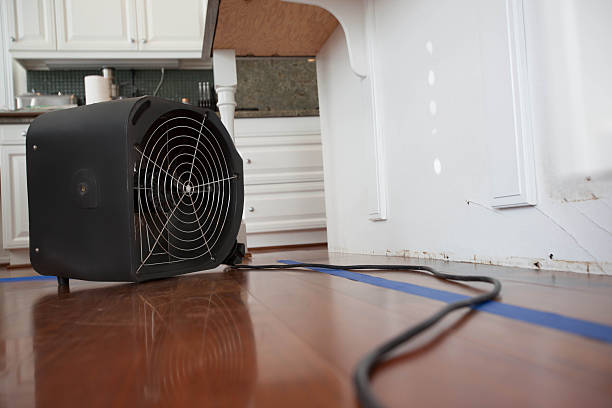
Depending on the situation, restoration work may involve water extraction equipment, air movers, and commercial dehumidifiers. Technicians may also inspect materials behind accessible surfaces to determine whether moisture has spread beyond the visible damage.
Effective drying requires monitoring rather than relying on appearance alone. A wall may look dry while its interior remains damp.
Professional mold clean up services may therefore include moisture measurements and checks of affected building materials. Drying continues until the materials reach appropriate moisture conditions for the building and their intended use.
This process is particularly important for Connecticut properties affected by basement flooding, heavy rainfall, or plumbing leaks. Proper drying helps prevent moisture from remaining trapped inside building materials.
3. Contain the Affected Area and Remove Damaged Materials
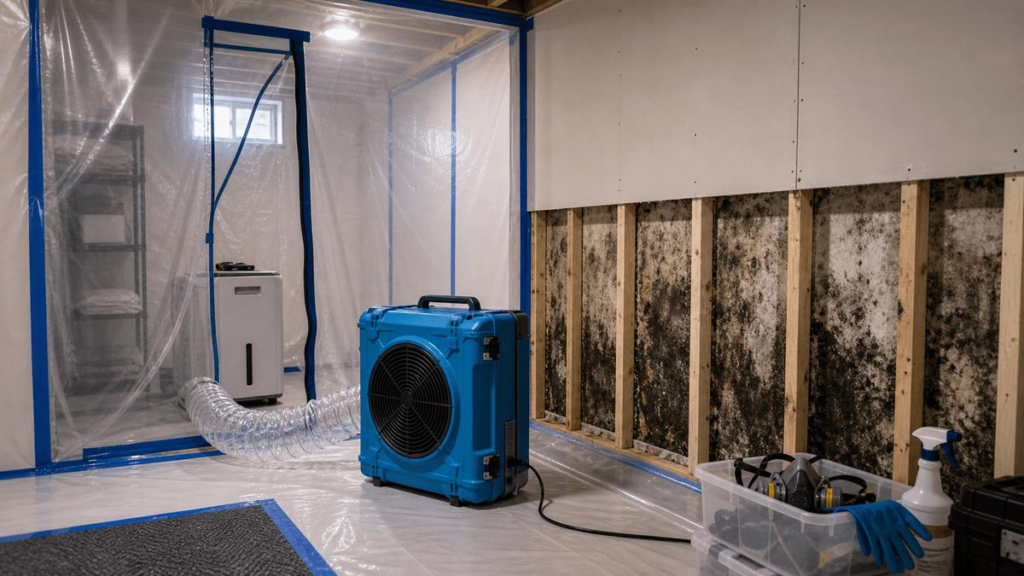
When mold growth is present, appropriate containment can help limit the spread of spores and contaminated dust into unaffected rooms. The precautions required depend on the size and location of the affected area.
Materials that cannot be adequately cleaned or dried may need removal. Examples can include heavily contaminated porous insulation, severely damaged drywall, or other materials that have deteriorated after prolonged exposure to moisture.
Removal should be performed using suitable protective equipment and work practices. Improper demolition or dry brushing can spread contaminated particles to nearby spaces.
Not every mold-affected material requires disposal. Nonporous and some cleanable surfaces may be suitable for cleaning, depending on their condition. The decision should reflect the material, contamination, and applicable remediation guidance.
4. Clean Salvageable Surfaces Properly
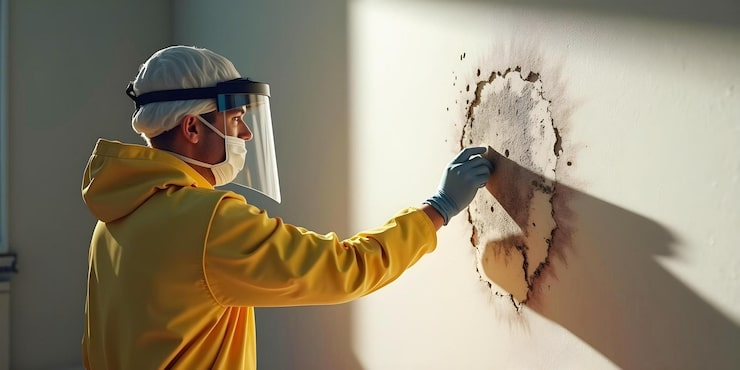
After necessary removal and drying, technicians clean surfaces that can be retained. The method depends on the type of material, the extent of contamination, and the cleaning products appropriate for the surface.
Visible mold should be removed rather than simply covered with paint or a sealant. Painting over contaminated material does not resolve the underlying problem and may conceal signs of continued moisture.
Cleaning should also account for dust and debris generated during remediation. Suitable work practices help prevent contamination from spreading to clean areas.
A professional cleanup process should address visible growth, affected surfaces, debris, and the conditions that allowed mold to develop. Cleaning alone is not a substitute for repairing leaks or drying damp building materials.
5. Verify Drying and Review the Restored Area
Before damaged areas are rebuilt, moisture conditions should be checked to determine whether materials are sufficiently dry. This is especially important before installing new drywall, insulation, flooring, or other materials that could conceal moisture.
The final review may include checking previously affected areas, confirming that repairs have addressed the water source, and identifying any remaining signs of dampness or contamination.
Depending on the project, additional inspection or testing may be appropriate. Air testing is not necessary for every mold remediation project, and no single test can guarantee that a property is entirely free of mold.
Force 1 Restoration Services can be a starting point for Connecticut property owners researching restoration options after water damage. Homeowners should confirm the specific remediation and verification services available for their situation before arranging work.
Long-Term Mold Prevention Strategies for Connecticut Property Owners
After cleanup, ongoing maintenance is essential to help prevent mold from returning. Property owners throughout Connecticut should focus on early leak detection, effective ventilation, and regular checks of areas where moisture commonly accumulates.
Seasonal weather changes, rainfall, and temperature differences can influence indoor moisture conditions. Regular property maintenance can help homeowners identify potential problems before they become extensive water damage.
Maintain Effective Humidity Control
Indoor humidity affects how quickly moisture evaporates and whether condensation forms on cool surfaces. The US Environmental Protection Agency generally recommends keeping indoor relative humidity below 60%, ideally between 30% and 50% when practical.
A humidity monitor can help identify periods when indoor moisture levels are consistently high. Dehumidifiers may be useful in damp basements, enclosed storage areas, and other spaces where humidity is difficult to manage.
Property owners should also check for condensation around windows, pipes, and exterior walls. Persistent condensation may indicate excessive humidity, insufficient insulation, or inadequate ventilation.
During humid summer conditions in Connecticut, basement humidity can become more difficult to manage. Monitoring indoor moisture levels and using suitable dehumidification equipment can help reduce the conditions that encourage mold growth.
Improve Ventilation in Moisture-Prone Areas
Bathrooms, kitchens, laundry rooms, and basements often generate or retain moisture. Exhaust fans should be used where appropriate, and ventilation systems should be maintained according to their instructions.
Other practical steps include:
- Run bathroom exhaust fans during and after showers.
- Use kitchen ventilation when cooking produces steam.
- Keep furniture slightly away from cold exterior walls when practical.
- Avoid blocking air vents or return-air grilles.
- Investigate recurring condensation rather than wiping it away without addressing the cause.
Ventilation works best when combined with moisture source control and suitable indoor humidity levels.
Inspect Plumbing, Roofing, and Drainage
Routine inspections can reveal small problems before they cause extensive water damage. Property owners should check under sinks, around appliances, near water heaters, and along ceilings beneath plumbing or roof areas.
Exterior maintenance matters as well. Clean gutters, functional downspouts, and appropriate grading help direct rainwater away from the building.
For homeowners in South Windsor, Hartford, Wethersfield, and other Connecticut communities, checking basement walls and foundation areas after periods of heavy rainfall can help identify water intrusion early.
If a leak occurs, arrange repairs promptly and dry affected materials as soon as possible. A small leak that remains unnoticed for weeks may cause more damage than a larger spill that is addressed immediately.
Common Mistakes That Allow Mold to Return
Even after a cleanup, certain mistakes can leave a property vulnerable to recurring mold.
| Common Mistake | Why It Creates a Problem | Better Prevention Approach |
|---|---|---|
| Cleaning only visible mold | Hidden moisture or growth may remain | Inspect affected materials and surrounding areas |
| Ignoring a leaking pipe | New moisture continues entering the property | Repair the source and verify the area is dry |
| Painting over mold | Contamination and moisture may remain beneath the coating | Clean or remove affected materials before refinishing |
| Closing walls too early | Damp materials become concealed | Check moisture conditions before reconstruction |
| Ignoring indoor humidity | Condensation may continue to develop | Monitor humidity and improve moisture management |
| Using fans without assessing contamination | Air movement may spread contaminated dust | Follow appropriate remediation and containment practices |
The most effective mold prevention approach combines proper cleanup with repairs and ongoing maintenance. Property owners should avoid relying on surface treatments alone when moisture remains unresolved.
When Should You Contact Professional Mold Contractors?
Professional help may be appropriate when mold covers a substantial area, returns repeatedly, follows significant water damage, or appears inside walls, ceilings, or flooring. It is also important to seek qualified assistance when contaminated water may be involved or when the affected materials cannot be safely cleaned.
Connecticut homeowners experiencing recurring moisture problems in Hartford, South Windsor, Vernon, Enfield, or nearby communities may benefit from professional evaluation to determine the source and extent of the damage.
When searching for mold contractors near me, consider their experience with water damage, remediation procedures, moisture assessment, containment practices, and damaged-material removal. Ask how they will identify the moisture source and determine whether drying is complete.
A qualified mold removal service should explain the proposed work, identify materials that may require removal, and describe how the moisture problem will be addressed. Property owners should also confirm which services are included and whether repairs or reconstruction require separate contractors.
Choosing professionals familiar with local property conditions and applicable Connecticut regulations can also help property owners understand the appropriate remediation process.
Conclusion
Preventing mold from returning after water damage requires more than removing visible growth. Property owners need to identify and repair moisture sources, dry affected materials, clean or remove contaminated materials appropriately, and maintain suitable indoor humidity. Regular inspections and timely repairs can further reduce the risk of recurring mold problems.
Professional mold clean up services can help property owners throughout Connecticut address contamination and understand the steps needed for long-term moisture management. The appropriate solution depends on the extent of the damage, the materials affected, and the source of the water.
For additional information about water damage restoration and property cleanup, visit Force 1 Restoration Services. If your property has experienced water damage or recurring mold, Contact Us to discuss the available services and determine the appropriate next steps for your property.
Frequently Asked Questions
Yes. Mold can return if moisture remains, a leak is not repaired, or indoor humidity stays elevated. Lasting prevention requires addressing the source of moisture and ensuring affected materials are properly cleaned and dried.
Mold may begin growing within 24 to 48 hours under favorable conditions. The exact timing depends on moisture, temperature, and the materials involved, so water damage should be addressed promptly.
Not always. Some projects include moisture removal and related restoration work, while plumbing, roofing, structural repairs, or reconstruction may require separate services. Property owners should confirm the scope of work before the project begins.
The EPA recommends keeping indoor relative humidity below 60%, ideally between 30% and 50% when practical. Monitoring humidity and addressing condensation can help reduce the conditions that support mold growth.
Repair leaks promptly, dry wet materials, maintain suitable indoor humidity, improve ventilation, and inspect moisture-prone areas regularly. If mold returns repeatedly, investigate hidden moisture rather than relying on repeated surface cleaning.