Mold can develop quietly in areas where moisture is present, including basements, attics, bathrooms, crawl spaces, walls, and storage areas. While a small patch may appear manageable, mold can spread when the underlying moisture problem is not addressed. It can also affect building materials, stored belongings, and indoor air quality. For homeowners, understanding when professional mold clean up services may be necessary is an important part of maintaining a safer and healthier property.
Effective mold remediation involves more than removing visible growth. It may include identifying moisture sources, containing affected areas, removing contaminated materials when necessary, cleaning affected spaces, and taking steps to reduce the possibility of future growth. Force 1 Restoration Services provides professional mold remediation solutions designed to help homeowners address mold problems and protect their properties.
Why Mold Can Affect Indoor Air Quality
Mold reproduces by releasing microscopic spores into the surrounding environment. These spores can move through indoor spaces, particularly when mold is disturbed or when air movement carries particles from one area to another.
The presence of mold does not automatically mean that every indoor air quality problem is caused by mold. However, visible growth, persistent musty odors, recurring moisture, and unexplained mold growth can indicate that a property needs further evaluation.
Professional remediation focuses on controlling the source of the problem rather than simply cleaning the visible surface. This is important because mold may exist behind walls, beneath flooring, around insulation, or in other areas that are not immediately visible.
Common Signs That a Home May Have a Mold Problem
Homeowners should pay attention to signs that can indicate excessive moisture or possible mold growth, including:
- Musty or earthy odors that continue after cleaning
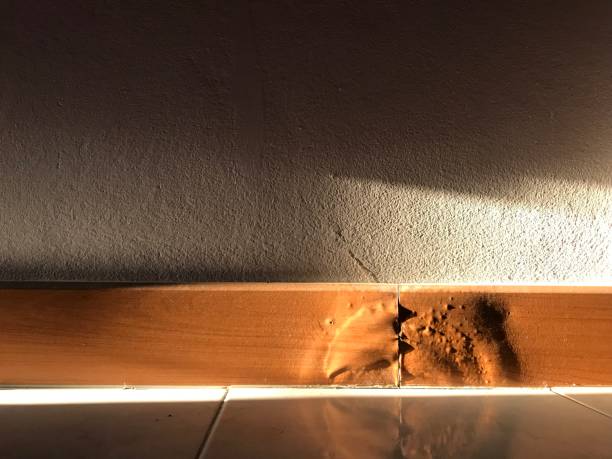
- Visible spots or discoloration on walls, ceilings, or flooring
- Recurring condensation around windows or pipes
- Water stains or signs of previous leaks
- Damp basements, crawl spaces, or storage areas
- Mold returning after it has been cleaned
- Materials that remain damp for extended periods
- Recent flooding, plumbing leaks, or water intrusion
If these conditions are present, addressing moisture promptly can help limit the environment that allows mold to develop.
How Mold Remediation Supports Property Safety
Mold remediation can play an important role in protecting the condition of a home. Mold growth may affect materials such as drywall, insulation, wood, carpeting, and other porous surfaces when moisture remains present for an extended period.
A professional assessment helps determine where mold or moisture may be present and how extensive the affected area is. This allows homeowners to make informed decisions instead of relying solely on surface cleaning.
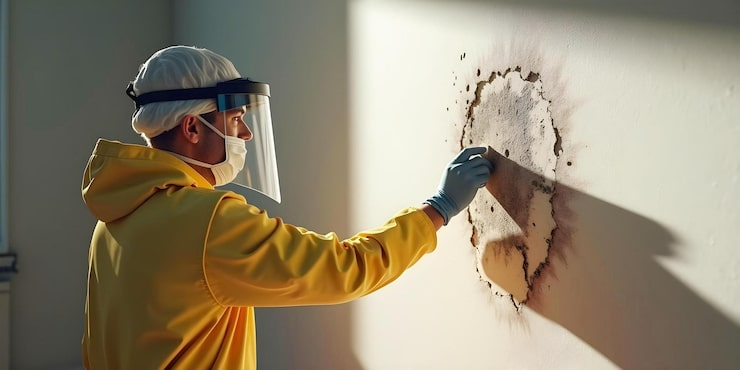
Professional mold clean up services may involve several stages, depending on the condition of the property:
- Inspecting the affected areas
- Identifying possible moisture sources
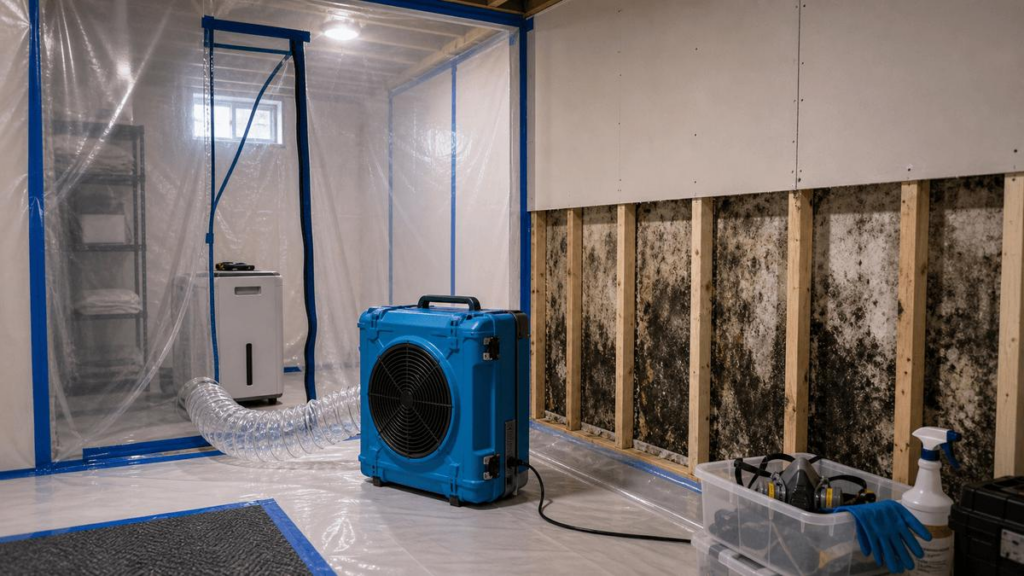
- Establishing appropriate containment
- Using suitable air filtration and cleaning methods
- Removing contaminated materials when required
- Cleaning affected surfaces
- Drying areas where moisture remains
- Addressing conditions that could contribute to future growth
The goal is to create a cleaner, drier environment while reducing the opportunity for mold to return.
Why Moisture Control Matters
Moisture control is one of the most important parts of long-term mold prevention. Cleaning mold without addressing the moisture source can allow the problem to return.
Common moisture sources include plumbing leaks, roof leaks, flooding, condensation, poor ventilation, and excessive humidity. In some cases, water may remain hidden inside walls or beneath flooring even after the visible area appears dry.
If water damage has contributed to a mold problem, homeowners can also review the water damage restoration services available through Force 1 Restoration Services. Proper drying and moisture assessment can help reduce conditions that encourage mold growth.
Preventing Mold in Stored Belongings
Storage areas are often overlooked when homeowners think about mold prevention. Boxes, clothing, books, furniture, documents, and other belongings may remain in enclosed spaces for long periods, making it difficult to notice moisture problems until mold has already developed.
Basements, attics, garages, closets, and storage rooms should receive regular attention, particularly when they have limited ventilation or a history of moisture problems.
Good storage safety practices include:
- Keep belongings away from damp floors and walls.
- Avoid tightly packing items against exterior walls.
- Use appropriate storage containers for items that require protection.
- Check storage areas regularly for condensation or musty odors.
- Do not store damp clothing, carpets, or other materials.
- Maintain reasonable indoor humidity levels.
- Repair plumbing or roof leaks as soon as they are discovered.
- Improve ventilation where appropriate.
These measures can help protect stored belongings while supporting broader mildew prevention efforts.
The Connection Between Water Damage and Mold
Water damage and mold growth are closely connected because excess moisture creates the conditions mold needs to develop. A leak that appears minor can become a larger issue when moisture enters building materials or remains trapped in hidden areas.
Homeowners should take water intrusion seriously, even when there is no immediate visible mold. Early drying and moisture control can reduce the opportunity for mold to establish itself.
Professional restoration teams may use moisture detection equipment to identify areas that are not visibly wet. This can be particularly useful after plumbing leaks, flooding, roof damage, or other water-related incidents.
Force 1 Restoration Services explains that its water damage restoration process includes inspection, moisture assessment, drying, and monitoring to help address hidden moisture and prevent additional property problems.
When Professional Mold Clean Up May Be Appropriate
Not every household mold situation requires the same response. The size of the affected area, the materials involved, the source of moisture, and whether the mold has returned can all influence the appropriate approach.
Professional evaluation may be especially useful when:
- Mold covers a significant area.
- Mold continues to return after cleaning.
- There has been substantial water damage.
- Mold may be present behind walls or under flooring.
- Porous building materials are affected.
- A property has persistent moisture problems.
- There is a strong musty odor without an obvious source.
- The affected area is difficult to access safely.
Professional mold clean up services can provide a more systematic approach by assessing the affected environment rather than focusing only on what can be seen.
How Mold Remediation Can Improve Indoor Air Quality
The relationship between mold remediation and indoor air quality goes beyond removing visible growth. During remediation, affected areas can be contained to help prevent unnecessary spread of particles into unaffected portions of the property.
Appropriate air filtration and containment practices can be used as part of the remediation process, depending on the circumstances.
A typical approach may include:
| Remediation Step | Purpose |
| Inspection | Identify visible and potential hidden mold |
| Moisture assessment | Locate conditions supporting mold growth |
| Containment | Limit movement of mold particles |
| Air filtration | Help manage airborne particles during work |
| Material removal | Remove severely affected porous materials when necessary |
| Cleaning | Address affected surfaces |
| Drying | Reduce remaining moisture |
| Prevention | Address conditions that may support future growth |
The exact process depends on the property and the extent of the issue. A professional assessment helps determine which steps are appropriate.
Protecting Your Home After Mold Remediation
Mold remediation should not be viewed as a one-time substitute for ongoing property maintenance. Homeowners can help protect their properties by continuing to monitor areas where moisture has previously been a concern.
Regular maintenance can include checking:
- Plumbing connections and supply lines
- Bathroom and kitchen ventilation
- Basement and crawl space conditions
- Roof and ceiling areas
- Windows and areas prone to condensation
- HVAC-related moisture
- Stored belongings
- Areas affected by previous leaks
Good moisture control is particularly important in spaces that have experienced water intrusion in the past.
Why Professional Experience Matters in Mold Remediation
Mold problems can involve more than visible discoloration. Determining where moisture is coming from, whether materials are affected, and how far contamination may have spread requires a methodical approach.
Force 1 Restoration Services focuses on professional inspection, assessment, containment, cleaning, and appropriate remediation practices when addressing mold-related property concerns.
This type of structured approach can help homeowners understand the actual condition of their property instead of relying on assumptions based only on what is visible.
Simple Steps Homeowners Can Take for Mold Prevention
While professional remediation may be necessary when mold is established, everyday maintenance can help reduce the conditions that allow it to develop.
Homeowners can focus on a few practical habits:
- Address leaks quickly.
- Keep wet materials from remaining indoors.
- Improve ventilation in moisture-prone rooms.
- Monitor areas with recurring condensation.
- Keep storage areas organized and accessible.
- Avoid placing belongings directly against damp surfaces.
- Inspect basements and attics periodically.
- Dry areas thoroughly after water incidents.
- Watch for recurring musty odors.
- Address the underlying source when mold repeatedly returns.
These habits support both property protection and long-term mildew prevention.
Protecting Indoor Spaces With the Right Approach
Mold can affect more than the appearance of a home. When moisture and mold are allowed to persist, they can create concerns involving building materials, stored belongings, indoor conditions, and overall property safety.
Professional remediation provides homeowners with a structured way to identify the problem, address affected areas, manage moisture, and reduce the potential for recurrence. Combining professional remediation with regular maintenance, storage safety, and moisture control can provide a stronger long-term strategy for protecting the home.
For homeowners dealing with visible mold, persistent odors, water damage, or recurring moisture, getting the situation assessed early can help prevent a manageable problem from becoming more extensive.
A Safer, Cleaner Home Starts With Addressing the Source
Maintaining good indoor conditions requires more than removing what is visible. Mold prevention begins with understanding why moisture is present and taking appropriate steps to address it.
Whether the concern involves stored belongings, a damp basement, a previous leak, or visible mold growth, homeowners should focus on both immediate cleanup and the conditions that may allow the problem to return.
Force 1 Restoration Services provides professional restoration and remediation solutions for homeowners dealing with mold and moisture-related property concerns. If you are unsure how to address a mold problem or need help evaluating affected areas, Contact Us to discuss your property restoration needs and determine the appropriate next step.