Mold is one of the most common indoor environmental concerns affecting residential properties throughout Connecticut. While some mold growth is visible and easy to identify, many infestations remain hidden behind walls, beneath flooring, or inside crawl spaces where they can continue spreading unnoticed. Because mold thrives in damp environments, even minor moisture problems can create favorable conditions for growth.
Understanding the various types of mold that can develop inside a home is important for maintaining a safe and healthy living environment. Different mold species may require different remediation methods depending on the extent of contamination and the materials affected.
At Force 1 Restoration, we understand the challenges homeowners face when dealing with indoor mold growth. Professional mold clean up services help identify contamination sources, remove affected materials, and address the moisture conditions that contribute to recurring mold problems.
In this guide, we will explore common household molds, where they are typically found, and how professional treatment methods help restore affected properties.
Understanding Mold Growth Inside Homes
Before examining specific mold varieties, it helps to understand why mold develops and what conditions allow it to spread.
Mold exists naturally in the environment, but indoor growth becomes problematic when moisture accumulates within a structure.
What Are Mold Spores?
Mold reproduces through microscopic particles known as mold spores.
These spores are present virtually everywhere and can enter homes through:
Open windows
Doors
HVAC systems
Clothing
Pets
Building materials
Under normal conditions, spores remain inactive. However, when moisture becomes available, mold colonies can begin growing quickly.
Because spores are airborne, mold can spread throughout a property if underlying moisture issues are not addressed.
Conditions That Encourage Mold Growth
Several factors contribute to mold development inside homes.
Common conditions include:
Water leaks
High humidity
Flooding incidents
Condensation
Poor ventilation
Connecticut’s seasonal humidity and changing weather patterns can increase the likelihood of indoor moisture problems, particularly in basements, attics, and crawl spaces.
Controlling moisture remains one of the most important steps in preventing mold growth.
Common Types of Mold Found in Residential Properties
There are thousands of mold species, but only a handful are commonly found inside homes.
The following sections highlight several of the most frequently encountered varieties.
Black Mold
Perhaps the most recognized variety is black mold, often associated with long-term moisture exposure.
Black mold commonly develops on:
Drywall
Wood surfaces
Ceiling materials
Insulation
Carpet backing
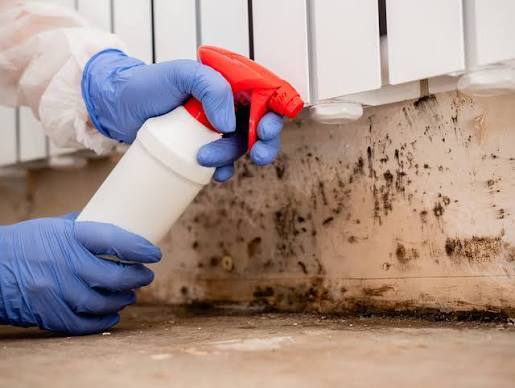
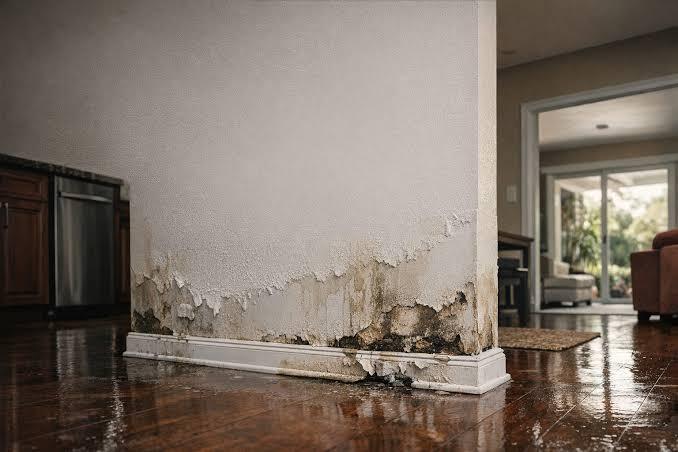
It typically appears as dark green or black patches and often grows in areas that remain damp for extended periods.
While not every dark-colored mold is technically black mold, professional identification helps determine the appropriate remediation strategy.
Aspergillus Mold
Aspergillus is one of the most widespread indoor mold species.
It may appear in several colors, including:
Green
Yellow
White
Brown
This mold is frequently found in:
Air ducts
Insulation
Walls
Household dust
Because it can spread through airborne mold spores, early detection is beneficial for limiting contamination.
Penicillium Mold
Penicillium often develops after water intrusion events.
Common locations include:
Water-damaged drywall
Carpeting
Upholstered furniture
Building materials
This mold typically appears blue-green and spreads rapidly when moisture remains present.
Professional remediation methods are often necessary to prevent widespread contamination.
Less Common Household Mold Varieties
Although some mold species are encountered less frequently, they can still contribute to property damage when moisture problems persist.
Understanding these varieties helps homeowners recognize the importance of comprehensive inspections.
Cladosporium Mold
Cladosporium can grow in both warm and cool environments.
It is often found on:
Wood surfaces
Fabrics
HVAC components
Carpets
This mold may appear olive green, brown, or black depending on environmental conditions.
Because it can thrive in a variety of indoor settings, controlling moisture remains essential.
Alternaria Mold
Alternaria is commonly associated with areas that experience frequent moisture exposure.
Typical locations include:
Bathrooms
Kitchens
Window frames
Basements
This mold often develops quickly following leaks or condensation problems.
Routine inspections can help identify moisture issues before substantial growth occurs.
Chaetomium Mold
Chaetomium frequently appears after prolonged water exposure.
It is commonly found in:
Water-damaged drywall
Ceiling materials
Wood framing
Because it often indicates long-standing moisture problems, professional evaluation is typically recommended.
How Mold Affects Building Materials
Mold growth impacts more than surface appearance. Over time, contamination can damage various structural and decorative materials.
The extent of damage often depends on moisture levels and the duration of exposure.
Damage to Drywall and Insulation
Porous materials provide ideal environments for mold growth.
Affected materials may include:
Drywall
Ceiling tiles
Insulation
Acoustic panels
As mold spreads, these materials often lose structural integrity and may require replacement.
Prompt intervention helps minimize damage and restoration costs.
Wood Deterioration
Wood products can absorb moisture and support mold growth when damp conditions persist.
Potential consequences include:
Surface staining
Material weakening
Rot development
Structural concerns
Addressing moisture sources quickly helps preserve structural components.
Flooring Damage
Moisture trapped beneath flooring can contribute to mold growth that remains hidden for extended periods.
Affected flooring materials may include:
Hardwood
Laminate
Carpet
Subfloor systems
Professional inspections help identify concealed contamination before extensive damage occurs.
Mold Clean Up Services and Professional Treatment Methods
Successfully addressing mold requires more than simply cleaning visible growth.
Professional mold clean up services focus on identifying contamination sources and implementing effective remediation methods.
Inspection and Assessment
Every remediation project begins with a detailed evaluation.
Professionals assess:
Moisture sources
Affected materials
Mold growth patterns
Contamination levels
This information helps determine the most appropriate treatment strategy.
Accurate assessments are critical for achieving successful outcomes.
Containment Procedures
Containment helps prevent mold spores from spreading during remediation.
Common containment measures include:
Physical barriers
Negative air pressure systems
Controlled work zones
Air filtration equipment
These techniques reduce the risk of cross-contamination throughout the property.
Removal and Cleaning
Depending on the severity of contamination, remediation methods may involve:
Cleaning salvageable materials
Removing damaged components
HEPA vacuuming
Surface treatment
The objective is to eliminate active growth while restoring affected areas safely.
Comparing Common Types of Mold
The table below provides a general comparison of mold varieties frequently encountered in residential properties.
Type of Mold | Common Locations | Typical Appearance |
|---|---|---|
Black Mold | Drywall, ceilings | Dark green or black |
Aspergillus | Air ducts, insulation | Green, yellow, white |
Penicillium | Carpets, walls | Blue-green |
Cladosporium | Wood, fabrics | Brown or olive green |
Alternaria | Bathrooms, basements | Dark green or brown |
Chaetomium | Water-damaged materials | Cotton-like texture |
Understanding these differences helps homeowners recognize the diversity of mold issues that can occur indoors.
The Role of Moisture Control in Mold Prevention
Even the most effective remediation methods cannot provide lasting results if moisture issues remain unresolved.
Prevention focuses on controlling the conditions that allow mold growth.
Addressing Water Intrusion
Water intrusion remains one of the leading causes of mold development.
Potential sources include:
Roof leaks
Plumbing failures
Foundation moisture
Window leaks
Correcting these problems helps reduce future risks.
Improving Indoor Ventilation
Proper airflow supports moisture control throughout the home.
Homeowners can improve ventilation by:
Using exhaust fans
Maintaining HVAC systems
Increasing airflow in damp areas
Reducing humidity levels
These measures help create less favorable conditions for mold growth.
Routine Property Inspections
Regular inspections help identify concerns before extensive contamination develops.
Areas that deserve attention include:
Basements
Crawl spaces
Attics
Utility rooms
Proactive maintenance often reduces long-term restoration costs.
Additional Restoration Services That Support Mold Recovery
Mold growth is often connected to broader moisture-related problems.
Addressing these issues helps ensure a more complete recovery process.
Water Damage Restoration
Many mold problems originate from water intrusion.
Homeowners frequently require water damage restoration services to address leaks, flooding, or moisture accumulation before remediation can begin.
Controlling moisture is a critical component of successful mold recovery.
Hidden Moisture Investigations
Mold growth often indicates concealed water intrusion.
Property owners may benefit from water damage inspection services that help identify hidden moisture sources contributing to contamination.
Combining these services supports long-term prevention.
Ongoing Maintenance Planning
Preventative maintenance can include:
Leak monitoring
Roof inspections
Plumbing evaluations
Humidity management
These efforts help reduce future mold risks throughout the property.
Signs That Mold May Be Present in Your Home
Not all mold growth is immediately visible.
Recognizing warning signs early can help homeowners respond before contamination spreads.
Persistent Musty Odors
Musty smells often indicate hidden mold activity.
These odors may develop behind walls, beneath flooring, or inside ventilation systems.
Ignoring unusual odors can allow problems to worsen over time.
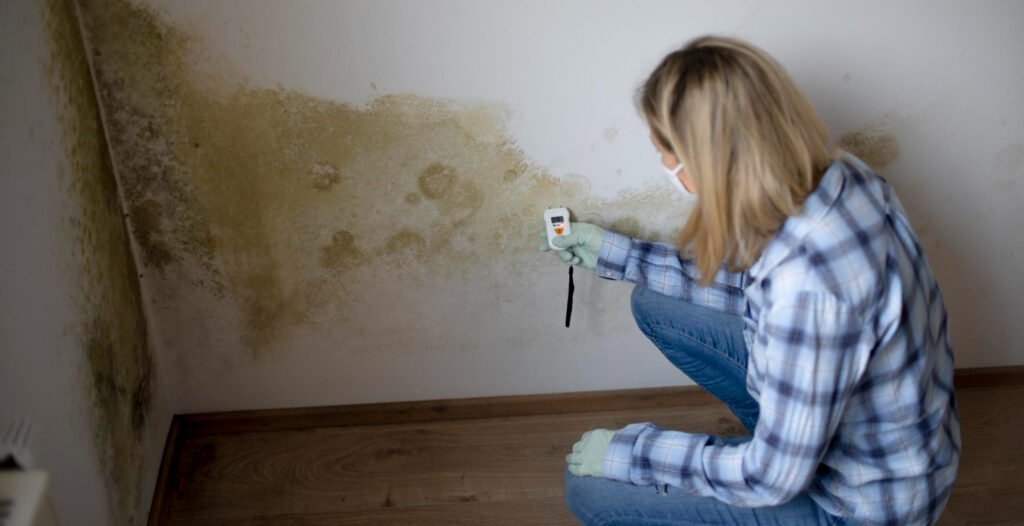
Visible Discoloration
Mold frequently appears as:
Dark spots
Green patches
Brown staining
White growth
Any unusual discoloration should be investigated promptly.
Recurring Moisture Problems
Repeated leaks, condensation, or dampness often create conditions that support mold growth.
Addressing moisture concerns quickly helps reduce contamination risks.
Conclusion
Understanding the different types of mold commonly found in homes is an important step toward protecting both property and indoor environments. From black mold and Aspergillus to Penicillium and Cladosporium, mold growth often develops when moisture problems remain unresolved. Because mold spores can spread throughout a property, professional intervention is often necessary to address contamination effectively.
At Force 1 Restoration, we understand the challenges Connecticut homeowners face when dealing with moisture-related issues. Professional mold clean up services, combined with proper remediation methods and moisture control strategies, help restore affected properties while reducing the risk of future mold growth.
Contact Us
If you would like to learn more about mold inspections, remediation methods, or property restoration solutions, visit our Contact Us page to connect with our team.
Frequently Asked Questions
What are mold clean up services?
Mold clean up services involve inspection, containment, removal, cleaning, and remediation efforts designed to address mold contamination safely.
Is black mold the only dangerous type of mold?
No. While black mold receives significant attention, many types of mold can damage building materials and require professional remediation.
How do mold spores enter a home?
Mold spores can enter through doors, windows, ventilation systems, clothing, pets, and other common pathways.
What causes mold growth indoors?
Moisture issues such as leaks, flooding, humidity, and condensation create conditions that support mold growth.
When should I consider professional mold clean up services?
Homeowners should consider professional mold clean up services whenever mold growth is visible, musty odors persist, or moisture problems continue recurring.