Water damage is often associated with obvious signs such as flooding, burst pipes, or standing water. However, some of the most serious property issues begin with hidden water damage that remains unnoticed for weeks, months, or even years. Because this type of damage develops out of sight, it can silently affect structural components, indoor air quality, and overall property value.
For homeowners throughout Connecticut, hidden moisture can result from leaking pipes, roof vulnerabilities, appliance malfunctions, or poor ventilation. At Force 1 Restoration, we understand how difficult it can be to identify these concealed problems before significant damage occurs. Early detection and proper restoration play an important role in protecting homes from long-term consequences.
In this guide, we will explore the most common hidden water damage problems homeowners overlook, how they develop, and why proactive inspection and leak detection are essential for protecting your property.
Understanding Hidden Water Damage
Before discussing specific problems, it is important to understand what hidden water damage is and why it presents unique challenges.
Unlike visible water intrusion, hidden moisture often develops behind walls, beneath flooring, inside ceilings, or within structural systems where it may remain undetected.
Why Hidden Water Damage Is Difficult to Identify
One of the biggest challenges homeowners face is recognizing problems before they become severe.
Hidden water damage often occurs in areas such as:
-
Wall cavities
-
Crawl spaces
-
Attics
-
Under flooring
-
Behind appliances
Because these areas are not inspected regularly, moisture issues may continue spreading without obvious warning signs.
As a result, significant damage can occur before homeowners realize a problem exists.
Small Leaks Can Cause Big Problems
Many hidden moisture issues begin with minor leaks.
Common sources include:
-
Dripping plumbing connections
-
Damaged roofing materials
-
Window seal failures
-
HVAC condensation
-
Appliance supply lines
Even a slow leak can introduce substantial amounts of moisture over time, increasing the risk of structural damage and costly repairs.
Common Sources of Hidden Water Damage
Hidden water damage can originate from numerous areas throughout a property.
Understanding these sources helps homeowners recognize where moisture problems are most likely to develop.
Plumbing Leaks Behind Walls
Plumbing systems are one of the most common causes of concealed water damage.
Leaks may develop due to:
-
Aging pipes
-
Loose fittings
-
Corrosion
-
Freezing temperatures
-
Excess water pressure
Because pipes are often hidden behind finished surfaces, leaks may remain unnoticed until visible damage appears.
Regular inspections can help identify plumbing issues before they escalate.
Roof and Attic Moisture Problems
Roofing systems provide critical protection against rain and snow, but even small vulnerabilities can allow moisture to enter.
Potential causes include:
-
Missing shingles
-
Damaged flashing
-
Ice dams
-
Roof penetrations
-
Ventilation issues
In Connecticut, seasonal weather fluctuations can increase the likelihood of roof-related moisture concerns.
Water entering attic spaces may affect insulation, framing, and ceiling materials long before homeowners notice signs indoors.
Appliance and HVAC Leaks
Household appliances can also contribute to hidden moisture issues.
Common culprits include:
-
Washing machines
-
Water heaters
-
Refrigerators
-
Dishwashers
-
Air conditioning systems
These devices often contain water supply lines that may deteriorate over time.
Routine maintenance helps reduce the risk of unexpected leaks.
Hidden Water Damage and Structural Damage
One of the most serious consequences of concealed moisture is its impact on a property’s structure.
Over time, water exposure can weaken essential building materials and compromise stability.
Wood Deterioration
Wood framing is particularly vulnerable to prolonged moisture exposure.
Hidden water damage may contribute to:
-
Rotting beams
-
Weak floor joists
-
Soft subflooring
-
Compromised wall framing
These issues can affect both safety and long-term structural performance.
The longer moisture remains present, the greater the risk of significant deterioration.
Damage to Drywall and Insulation
Moisture trapped inside walls can damage multiple building materials simultaneously.
Common effects include:
-
Drywall softening
-
Insulation compression
-
Surface staining
-
Material warping
Damaged insulation may also reduce energy efficiency, increasing heating and cooling costs throughout the year.
Foundation Concerns
Persistent moisture near foundations can create additional challenges.
Potential problems include:
-
Cracking
-
Settlement
-
Soil erosion
-
Basement moisture
Early intervention helps reduce the likelihood of expensive structural repairs.
Moisture Issues That Affect Indoor Environments
Hidden moisture impacts more than structural components. It can also affect the quality and comfort of indoor living spaces.
The following issues frequently develop when moisture remains undetected.
Increased Humidity Levels
Excess moisture often contributes to elevated indoor humidity.
High humidity can result in:
-
Condensation on windows
-
Musty odors
-
Reduced comfort
-
Increased HVAC workload
Managing moisture effectively helps maintain a healthier indoor environment.
Unpleasant Odors
One of the earliest signs of hidden moisture is a persistent musty smell.
These odors often indicate moisture accumulation in areas that are not easily visible.
Ignoring unusual odors may allow moisture issues to continue developing unchecked.
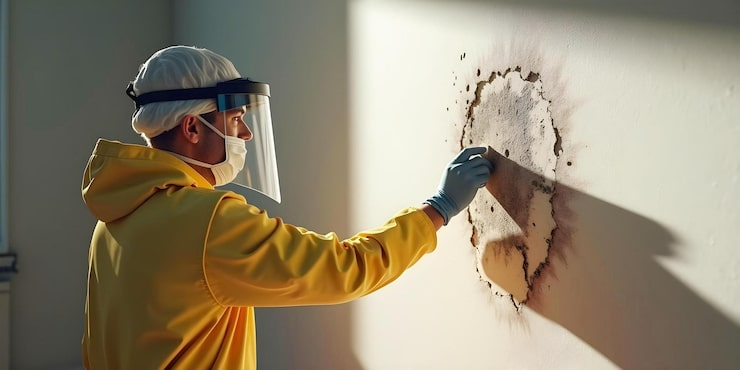
Surface Discoloration
Water intrusion frequently causes visible staining on walls and ceilings.
Discoloration may appear as:
-
Yellow stains
-
Brown spots
-
Dark patches
-
Peeling paint
While cosmetic concerns are noticeable, they often indicate deeper underlying problems.
The Importance of Leak Detection
Early identification is one of the most effective ways to minimize damage caused by hidden moisture.
Professional leak detection methods help locate problems before extensive repairs become necessary.
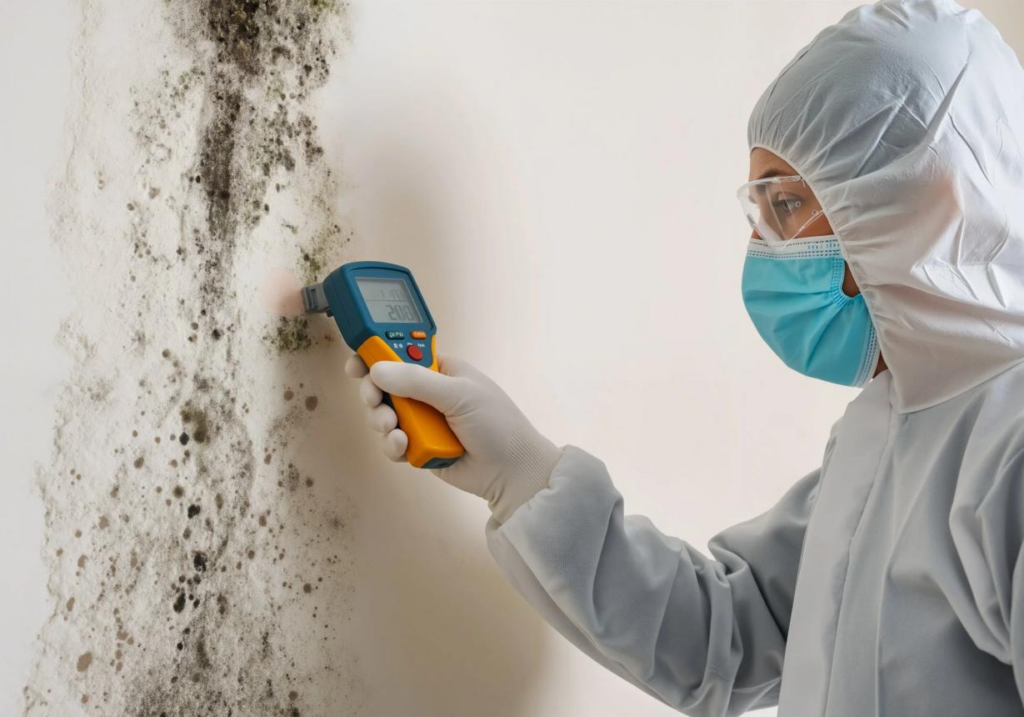
Modern Leak Detection Technology
Advanced tools allow professionals to identify moisture without unnecessary demolition.
Examples include:
-
Moisture meters
-
Thermal imaging cameras
-
Infrared scanning
-
Non-invasive testing equipment
These technologies help pinpoint affected areas with greater accuracy.
As a result, repairs can be more targeted and efficient.
Why Professional Assessments Matter
Hidden moisture is not always obvious to property owners.
Professional inspections evaluate:
-
Moisture levels
-
Structural conditions
-
Potential leak sources
-
Damage severity
This information helps guide restoration efforts and reduce uncertainty.
Benefits of Early Detection
Identifying hidden water damage early can help homeowners:
-
Reduce repair costs
-
Protect structural components
-
Preserve indoor comfort
-
Prevent additional deterioration
Proactive assessments often provide significant long-term value.
Comparing Common Hidden Water Damage Sources
The table below highlights several common sources of hidden water damage and their potential impact.
| Source of Moisture | Common Location | Potential Consequences |
|---|---|---|
| Plumbing Leaks | Behind walls | Structural damage |
| Roof Leaks | Attics and ceilings | Insulation deterioration |
| HVAC Condensation | Utility areas | Moisture issues |
| Appliance Failures | Kitchens and laundry rooms | Flooring damage |
| Foundation Moisture | Basements and crawl spaces | Structural concerns |
| Window Leaks | Exterior walls | Material deterioration |
Understanding these risks can help homeowners identify vulnerable areas within their properties.
Restoration Solutions for Hidden Water Damage
When hidden moisture is discovered, prompt restoration is essential.
The restoration process focuses on addressing existing damage while preventing future problems.
Moisture Removal and Drying
The first priority is eliminating excess moisture.
Professional restoration teams use specialized equipment to:
-
Extract water
-
Reduce humidity
-
Dry affected materials
-
Monitor moisture levels
Thorough drying helps prevent additional deterioration.
Repairing Damaged Materials
Once moisture has been removed, damaged materials may require repair or replacement.
Examples include:
-
Drywall
-
Flooring
-
Insulation
-
Trim components
Restoration efforts focus on returning the property to a safe and functional condition.
Addressing the Source of the Problem
Successful restoration requires more than repairing visible damage.
Professionals identify and correct the original source of water intrusion to reduce the risk of future moisture issues.
This step is critical for long-term protection.
Additional Services That Support Property Protection
Hidden water damage often reveals broader property concerns.
Addressing related issues helps improve overall resilience.
Water Damage Recovery Services
Homeowners facing concealed moisture often benefit from professional water damage restoration services.
These services help identify affected materials, perform moisture removal, and restore damaged areas efficiently.
Comprehensive restoration helps minimize long-term consequences.
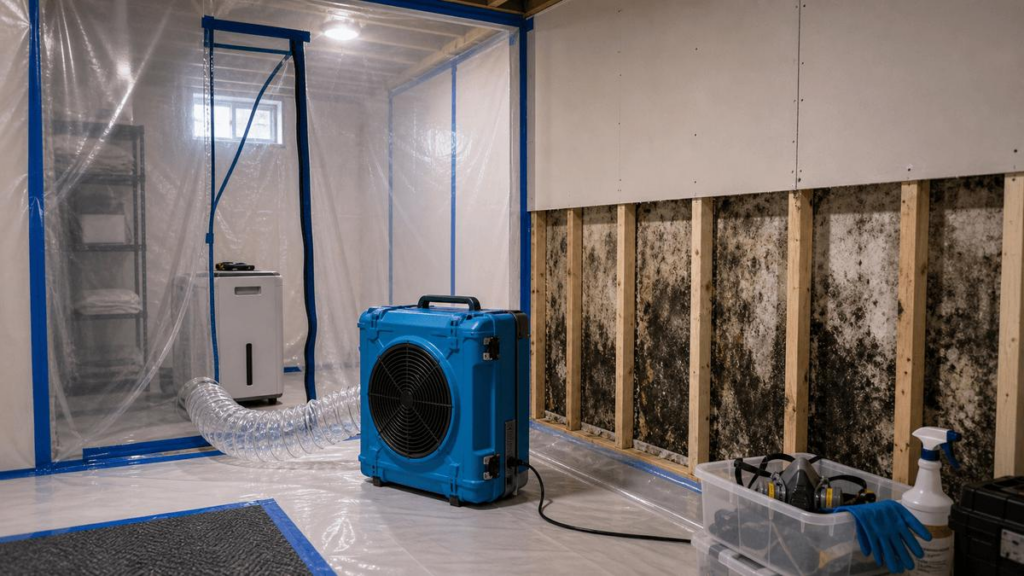
Mold Remediation Support
Hidden moisture frequently creates conditions that support mold growth.
Property owners may also require mold remediation services to address contamination and improve indoor air quality.
Combining these services often produces better recovery outcomes.
Preventative Maintenance Strategies
Preventative measures may include:
-
Routine inspections
-
Plumbing maintenance
-
Roof evaluations
-
Drainage improvements
These efforts help reduce future risks and support long-term property protection.
Warning Signs Homeowners Should Never Ignore
Even hidden water damage often leaves subtle clues behind.
Recognizing these indicators can help homeowners act before significant damage develops.
Unexpected Increases in Utility Bills
Water leaks may contribute to higher utility costs.
A sudden increase in water consumption could indicate a concealed plumbing issue.
Monitoring usage patterns may reveal problems early.
Soft or Warped Flooring
Changes in flooring condition often suggest underlying moisture.
Watch for:
-
Buckling
-
Warping
-
Soft spots
-
Loose flooring materials
These symptoms frequently indicate water intrusion beneath the surface.
Recurring Musty Smells
Persistent odors should never be dismissed.
Musty smells often indicate moisture accumulation and may warrant professional inspection.
Prompt action can help prevent more extensive damage.
Conclusion
Hidden water damage is one of the most overlooked threats facing homeowners in Connecticut. While moisture may remain concealed behind walls, beneath flooring, or within structural systems, its effects can become extensive over time. Moisture issues, structural damage, and ongoing leaks often develop gradually, making early leak detection especially important.
At Force 1 Restoration, we understand the challenges associated with identifying and addressing hidden moisture problems. Through timely inspections, effective restoration strategies, and comprehensive moisture management, homeowners can better protect their properties and reduce the risk of costly long-term repairs.
Contact Us
If you would like to learn more about moisture investigations, restoration solutions, or property protection services, visit our Contact Us page to connect with our team.
Frequently Asked Questions
What is hidden water damage?
Hidden water damage refers to moisture intrusion that occurs behind walls, under flooring, in ceilings, or other concealed areas where it is not immediately visible.
How can I identify hidden water damage?
Common signs include musty odors, staining, warped flooring, increased humidity, and unexplained increases in water bills.
Why is leak detection important?
Leak detection helps locate concealed moisture sources before they cause extensive structural damage or costly repairs.
Can hidden water damage affect structural components?
Yes. Prolonged moisture exposure can weaken framing, flooring, insulation, drywall, and other building materials.
When should I seek professional help for hidden water damage?
Homeowners should consider professional evaluation whenever they notice signs of moisture issues, recurring odors, water stains, or suspected leaks.