Fire incidents can leave behind more than visible destruction. Even after the flames are extinguished, the long-term impact on a building may continue to affect its safety, stability, and usability for years. Understanding the hidden and ongoing fire damage effects helps property owners make informed decisions about repairs, restoration, and rebuilding strategies.
For homeowners and property managers in Connecticut, changing seasonal conditions and aging building materials can sometimes increase the challenges associated with fire recovery. At Force 1 Restoration, property owners can learn more about restoration processes, structural evaluations, and post-fire recovery services. This guide explains how fire damage affects building structures over time, why professional inspections matter, and how rebuilding needs are assessed after a fire event.
Understanding the Long-Term Effects of Fire Damage
Fire can impact nearly every part of a structure, including walls, roofing systems, electrical wiring, and support materials. While some damage is immediately visible, other issues may remain hidden beneath surfaces.
Long-term structural concerns often develop gradually after exposure to extreme heat, smoke, and moisture from firefighting efforts.
Why Fire Damage Continues After the Fire Ends
Even after flames are controlled, buildings may continue deteriorating due to weakened materials and environmental exposure. Smoke residue, trapped moisture, and compromised structural components can all contribute to future problems.
Long-term issues may include:
-
- Weakened support beams
-
- Corroded metal surfaces
-
- Cracked foundations
-
- Mold growth after water exposure
-
- Smoke contamination inside materials
Without proper restoration, these issues may continue affecting the property over time.
Common Areas Most Affected by Fire
Different sections of a building respond differently to heat exposure and smoke damage.
Commonly impacted areas include:
| Building Area | Potential Damage |
|---|---|
| Roof systems | Structural weakening |
| Walls and framing | Cracking and instability |
| Electrical systems | Melted wiring and hazards |
| Plumbing systems | Pipe damage from heat |
| Flooring materials | Warping and smoke residue |
Professional evaluations help determine which materials can be repaired and which require replacement.
How Heat Damage Affects Structural Integrity
Extreme temperatures can significantly alter the strength and stability of construction materials. Understanding how heat damage and other fire damage effects impact structural integrity is critical when evaluating a fire-damaged property.
Effects of Heat on Wood Structures
Wood framing may appear stable after a fire, but prolonged heat exposure can reduce its strength and durability.
Heat-damaged wood may experience:
-
- Charring
-
- Cracking
-
- Warping
-
- Reduced load-bearing capacity
Even partially burned wood may continue weakening if not properly evaluated and restored.
Effects of Heat on Steel and Metal Components
Steel is often considered fire-resistant, but excessive temperatures can weaken metal components over time.
Potential problems include:
-
- Bending or distortion
-
- Reduced tensile strength
-
- Expansion-related damage
-
- Joint instability
Structural engineers often inspect steel framing carefully after major fire events.
Concrete and Masonry Damage
Concrete can also suffer hidden damage after exposure to intense heat.
Common problems include:
-
- Surface cracking
-
- Spalling
-
- Internal weakening
-
- Moisture penetration
Although concrete may appear intact visually, internal structural damage may still exist beneath the surface.
For additional information about post-fire recovery services, property owners can explore fire damage restoration services to better understand professional restoration procedures.
Smoke and Soot Damage After a Fire
Smoke and soot can continue affecting a property long after the flames are extinguished. These residues often spread throughout the structure and settle inside porous materials.
Why Smoke Damage Is Difficult to Remove
Smoke particles are extremely small and can penetrate:
-
- Drywall
-
- Insulation
-
- Upholstery
-
- HVAC systems
-
- Wood materials
Without specialized cleaning methods, odors and contamination may remain trapped inside the property.
Long-Term Effects of Soot Exposure
Soot residue is acidic and may continue damaging materials over time.
Common long-term issues include:
| Material | Potential Damage |
|---|---|
| Metal surfaces | Corrosion |
| Paint finishes | Discoloration |
| Electronics | Internal contamination |
| Fabrics | Permanent staining |
Professional cleaning is important to reduce ongoing deterioration.
Water Damage After Fire Suppression
Water used during firefighting efforts can create additional problems inside a structure. In many cases, moisture-related issues develop shortly after the fire is extinguished.
Secondary Damage From Firefighting Water
Large amounts of water are often required to control fires. This moisture may soak into building materials and remain trapped for days.
Common secondary issues include:
-
- Mold growth
-
- Wood swelling
-
- Ceiling collapse risks
-
- Flooring damage
Quick drying and restoration help minimize further structural problems.
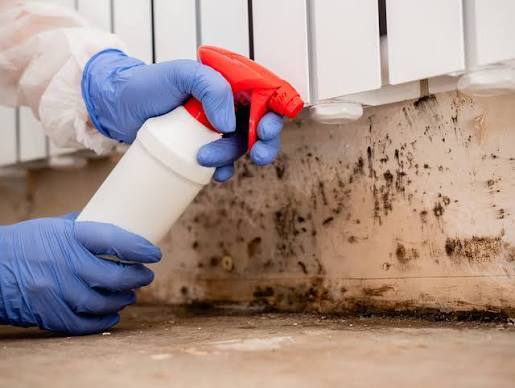
Mold Risks Following a Fire
Properties affected by both fire and water damage are especially vulnerable to mold growth.
Conditions that encourage mold development include:
-
- High humidity
-
- Damp insulation
-
- Wet drywall
-
- Poor ventilation
Proper drying procedures are essential for reducing mold risks during restoration.
Electrical and Mechanical System Damage
Fire damage can severely impact electrical and mechanical systems throughout a building. Even if these systems appear operational, hidden damage may create future safety concerns.
Electrical System Risks
Heat and smoke exposure may compromise wiring and electrical panels.
Potential electrical issues include:
-
- Melted insulation
-
- Damaged circuit breakers
-
- Corroded wiring
-
- Increased fire hazards
Licensed professionals should inspect all electrical systems before reuse.
HVAC System Contamination
Smoke particles and soot often spread through ventilation systems during a fire.
Contaminated HVAC systems may contribute to:
-
- Poor indoor air quality
-
- Lingering smoke odors
-
- Airborne soot circulation
Professional cleaning and inspection help restore safer airflow conditions.
Homeowners and property managers can also learn more about smoke and structural cleanup solutions available after fire-related emergencies.
Rebuilding Needs After Major Fire Damage
Some structures can be restored with repairs, while others require partial or complete rebuilding. Determining rebuilding needs depends on the severity of the damage and the condition of critical structural components.
Factors That Influence Rebuilding Decisions
Several factors help determine whether rebuilding is necessary.
These include:
-
- Extent of structural weakening
-
- Cost of repairs
-
- Safety concerns
-
- Insurance evaluations
-
- Building code compliance
Professional inspections provide important information before reconstruction begins.
Structural Assessments and Safety Evaluations
Structural engineers and restoration professionals evaluate the building carefully after a fire.
Assessments may include:
| Inspection Area | Purpose |
|---|---|
| Framing inspection | Evaluate load-bearing strength |
| Roof evaluation | Check for collapse risks |
| Foundation review | Identify cracks or shifting |
| Moisture testing | Detect hidden water damage |
Accurate assessments help property owners make informed rebuilding decisions.
How Fire Damage Affects Indoor Air Quality
Indoor air quality often declines significantly after a fire due to smoke particles, soot residue, and contaminated materials.
Lingering Smoke Odors
Smoke odors may remain trapped inside porous materials for extended periods.
Odor retention commonly occurs in:
-
- Carpeting
-
- Upholstery
-
- Drywall
-
- Wood framing
Specialized deodorization methods are often required to address deep contamination.
Airborne Contaminants After a Fire
Airborne particles may continue circulating long after visible cleanup is completed.
Potential contaminants include:
-
- Soot particles
-
- Ash residue
-
- Mold spores from water exposure
-
- Chemical residues
Air filtration systems and professional cleaning help improve indoor conditions during restoration.
Preventing Further Damage After a Fire
Taking quick action after a fire can help reduce long-term structural problems and support safer restoration efforts.
Immediate Steps Property Owners Should Take
After emergency responders secure the property, important next steps may include:
-
- Scheduling structural inspections
-
- Removing standing water
-
- Securing exposed areas
-
- Documenting visible damage
-
- Improving ventilation where safe
Early mitigation efforts often reduce repair costs later.
Importance of Professional Restoration Services
Professional restoration companies use specialized tools and processes designed for post-fire recovery.
Benefits of professional restoration include:
-
- Detailed structural evaluations
-
- Smoke and soot cleanup
-
- Moisture control and drying
-
- Safer debris removal
-
- Improved rebuilding planning
Property owners in Connecticut may benefit from fast professional response services following fire-related emergencies to reduce additional structural deterioration.
Insurance and Fire Damage Claims
Navigating insurance claims after a fire can be complex, especially when structural repairs are extensive.
Documentation Tips for Property Owners
Important documentation steps may include:
-
- Photographing all damage
-
- Saving damaged materials when possible
-
- Keeping repair estimates
-
- Recording temporary expenses
Detailed records help support insurance evaluations and restoration planning.
Understanding Restoration Timelines
Restoration timelines vary depending on:
-
- Severity of damage
-
- Structural stability
-
- Permit requirements
-
- Material availability
Large-scale fire restoration projects may require several stages before rebuilding is completed.
Conclusion
The long-term fire damage effects on buildings often extend far beyond the visible destruction caused by flames. Heat damage, weakened structural integrity, smoke contamination, and water exposure can all continue affecting a property long after the fire is extinguished.
At Force 1 Restoration, homeowners and property managers can learn more about restoration services, structural evaluations, and rebuilding support after fire-related emergencies. Understanding the full impact of fire damage helps property owners make informed decisions that support safer restoration and long-term property recovery.
Contact Us
Need assistance with fire damage restoration or structural cleanup services? Visit the official Contact Us page to connect with the team and learn more about available restoration solutions.
Frequently Asked Questions
What are the long-term fire damage effects on buildings?
Long-term fire damage effects may include weakened structural integrity, smoke contamination, heat damage, and ongoing moisture-related problems.
Can heat damage weaken structural materials?
Yes, excessive heat can weaken wood, steel, concrete, and other construction materials even if the damage is not immediately visible.
Why is smoke damage difficult to remove?
Smoke particles can penetrate porous materials such as drywall, insulation, and fabrics, making cleanup more challenging.
Does water used during firefighting cause additional damage?
Yes, firefighting water may create secondary issues such as mold growth, wood swelling, and moisture-related structural damage.
When is rebuilding necessary after a fire?
Rebuilding may be required when structural components are severely weakened or when repairs are no longer considered safe or cost-effective.