Water-damaged baseboards in Connecticut should be dried, inspected, repaired, or replaced based on how much water they absorbed and whether moisture reached the wall or flooring behind them. Water damage restoration companies in Connecticut typically begin by identifying the water source, checking moisture levels, removing trapped moisture, and assessing the condition of the baseboard and surrounding materials. Minor damage may require drying and baseboard repair, while swollen, warped, stained, or deteriorated sections may need replacement. Force 1 Restoration can help Connecticut homeowners address visible damage while also checking for hidden moisture that could cause larger problems later.
Why Water Damages Baseboards So Easily in Connecticut
Baseboards sit directly along the bottom edge of walls, close to floors where spilled water, plumbing leaks, appliance failures, or flooding can collect. In Connecticut homes, seasonal weather can add another layer of concern. Heavy rain, snowmelt, ice dams, basement seepage, and frozen or burst pipes can all introduce water near lower walls and flooring.
Many baseboards are made from wood, MDF, or composite materials that can absorb water through their edges and seams.
Once moisture enters the material, the baseboard may swell, warp, soften, split, or develop discoloration. Water can also travel behind the trim and into drywall, insulation, flooring, and wall cavities. A baseboard may look like the only damaged component, but visible damage does not always show the full extent of the moisture problem.
The type of water involved also matters. Clean water from a supply-line leak presents different restoration concerns than contaminated water from a sewage backup, basement flood, or other source. Materials affected by contaminated water may require removal rather than simple cleaning and drying.
What Happens Before Baseboard Repair?
Professional restoration starts with an assessment rather than immediate cosmetic repairs. water damage restoration companies in Connecticut first need to understand where the water came from, how long the materials were exposed, and how far the moisture has traveled.
For Connecticut homeowners, this can be especially important after basement flooding, plumbing failures during freezing weather, or storm-related water intrusion. Moisture meters and other inspection tools can help identify wet areas that are not obvious from the surface.
Technicians may check the:
- Baseboard and wall trim
- Drywall
- Flooring and subfloor
- Areas around plumbing fixtures
- Nearby wall cavities
- Basement or lower-level areas affected by water
The assessment generally looks at:
- The source and category of the water
- The amount of moisture absorbed by building materials
- Signs of swelling, staining, warping, or deterioration
This step prevents a common mistake: replacing a damaged baseboard while leaving wet material behind it.
The First Priority Is Moisture Removal
Removing moisture quickly is central to proper restoration. Simply wiping the surface of a wet baseboard does not remove water that has moved into the material or behind the trim.
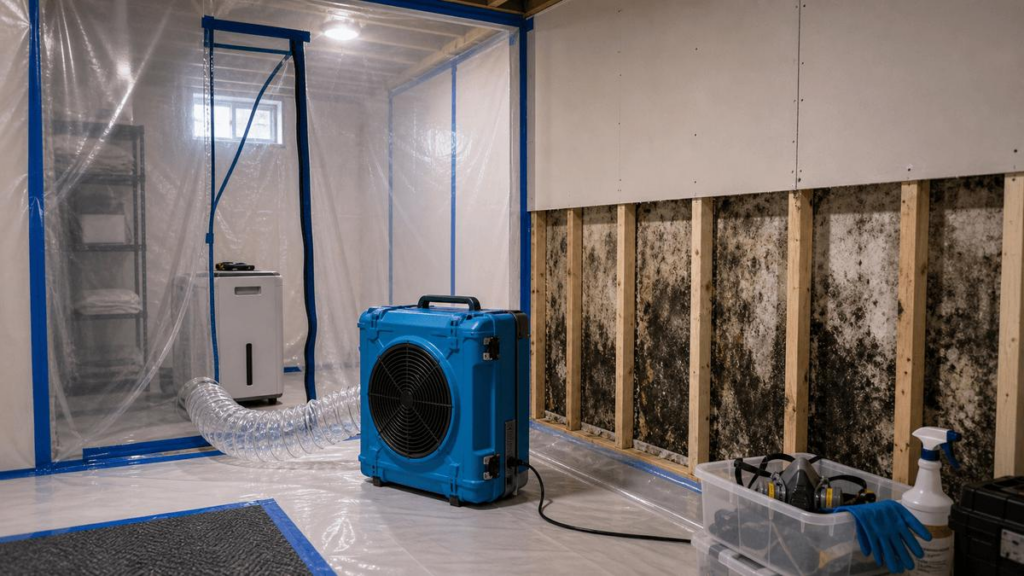
Technicians may remove standing water first and then use air movement and dehumidification equipment to reduce moisture in affected areas. In some cases, baseboards are carefully detached so technicians can inspect the wall and floor behind them.
The goal is to bring affected materials back to appropriate moisture levels before permanent repairs are completed. Drying only the surface while moisture remains deeper inside can leave hidden wet areas behind.
For Connecticut properties with basements, lower-level living spaces, or older construction, checking concealed areas can be especially important after significant water intrusion.
How Structural Drying Protects the Wall
Baseboards often act as an early warning sign because they sit at the point where walls and floors meet. If water has moved behind the trim, the restoration process may need to extend beyond the baseboard itself.
Structural drying focuses on removing moisture from building materials and concealed spaces. Air movers increase air circulation, while dehumidifiers reduce moisture from the surrounding air. Technicians monitor conditions during the process instead of simply running equipment for a fixed period.
Drying may take longer when materials have absorbed substantial moisture, ventilation is limited, or water has entered wall cavities. Connecticut’s seasonal humidity and temperature conditions can also affect indoor drying conditions.
Proper monitoring helps confirm that affected areas are actually dry before reconstruction begins.
When Can a Baseboard Be Repaired?
Not every wet baseboard needs to be discarded. The material, duration of exposure, and extent of damage all influence the decision.
A solid wood baseboard that has remained structurally sound may sometimes be dried, cleaned, lightly sanded, and refinished. Minor staining or surface damage can also be repairable after the underlying moisture issue has been resolved.
MDF and similar materials can be less forgiving. Once these products become significantly swollen or lose their structural integrity, repairs may not restore their original shape or strength.
A professional may recommend replacement when the baseboard is:
- Severely swollen, warped, cracked, or soft
- Showing extensive deterioration
- Affected by contaminated water
- Unable to return to its original shape after drying
- Damaged in a way that prevents a proper fit with the surrounding trim
The objective is not simply to make the trim look acceptable. The repaired area should remain stable and appropriate for the surrounding wall and floor.
How Professionals Handle Baseboard Replacement
When replacement is necessary, technicians first make sure the area behind the old baseboard is dry and free from unresolved damage. Installing new trim over a damp wall or subfloor can trap moisture and create additional problems.
The damaged section is carefully removed to avoid unnecessary damage to drywall or flooring. The replacement piece is then measured, cut, fitted, and secured. Gaps and joints are addressed so the new section blends with the existing trim.
Depending on the material and finish, the replacement may be primed and painted after installation. Matching the profile, height, thickness, and finish of the existing baseboard helps prevent the repaired area from standing out.
For older Connecticut homes, matching existing trim can sometimes require additional attention because baseboard profiles and dimensions may differ from those used in newer construction.
Baseboard Repair Is Only One Part of Restoration
A restored baseboard does not mean the entire affected area has been restored. Water may have reached materials that are less visible but more significant.
For example, a washing machine leak could soak the baseboard while also affecting drywall and flooring. A plumbing leak inside a wall could leave moisture behind the trim even after the visible water has been cleaned up.
Connecticut homeowners may also encounter water damage after:
- Frozen or burst pipes
- Basement seepage
- Heavy rainfall
- Snowmelt
- Ice dam-related leaks
- Appliance failures
- Plumbing supply-line leaks
- Overflowing fixtures
This is why professional restoration considers the surrounding materials as part of the same problem. Moisture removal needs to continue until affected areas have reached suitable drying conditions.
Force 1 Restoration can assess visible baseboard damage alongside surrounding materials, helping Connecticut homeowners address the source of the problem instead of treating only the most noticeable symptom.
How Restoration Companies Decide Between Drying and Replacement
The decision to dry, repair, or replace depends on several conditions. There is no single treatment that works for every baseboard.
| Baseboard condition | Typical restoration response |
|---|---|
| Light surface moisture with no visible damage | Drying and moisture monitoring |
| Minor staining on structurally sound wood | Drying, cleaning, sanding, and refinishing |
| Moderate swelling or distortion | Assessment for repair or replacement |
| Severe swelling, softening, or deterioration | Replacement is often appropriate |
| Contamination from sewage or other unsafe water | Removal and replacement may be required |
The material itself is another consideration. Solid wood can sometimes tolerate controlled drying better than engineered materials that swell significantly after absorbing water.
Why Hidden Moisture Deserves Attention in Connecticut Homes
A dry-looking wall can still contain moisture. Water can move through drywall, insulation, flooring materials, and small gaps around trim. If these areas remain damp, they can contribute to mold growth, unpleasant odors, material deterioration, and additional repairs.
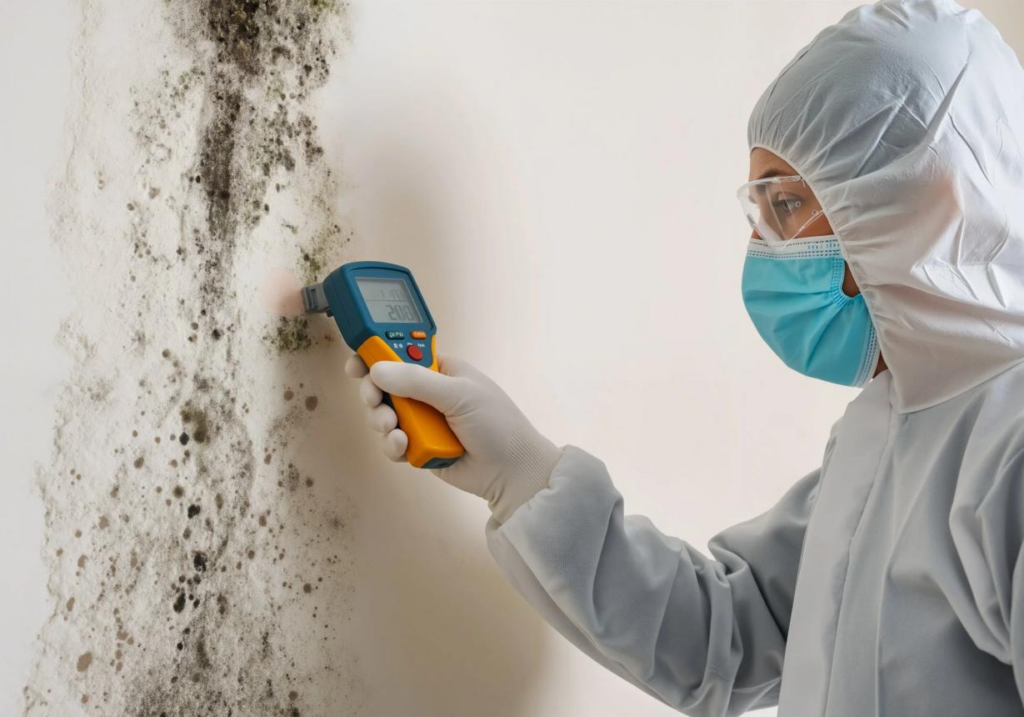
A professional moisture inspection helps identify these concealed areas. Technicians can compare moisture readings in affected materials with unaffected areas to determine where drying is still needed.
This is particularly useful after water enters a Connecticut basement or lower level, where moisture can affect several connected building materials before the damage becomes obvious.
Homeowners should also pay attention to recurring signs after restoration, such as:
- Musty odors
- Renewed staining
- Peeling paint
- Swelling baseboards
- Warped flooring
- Changes in wall surfaces near the floor
These signs can indicate that the original moisture source or trapped moisture has not been fully addressed.
Common Mistakes Connecticut Homeowners Make With Wet Baseboards
Trying to fix water-damaged trim immediately can sometimes hide a larger problem. Painting over stains, replacing only the visibly damaged section, or placing furniture back against a damp wall can interfere with proper drying.
Another mistake is relying only on touch. Materials can feel dry on the surface while retaining moisture internally. A moisture meter provides more useful information than appearance or touch alone.
Homeowners should also avoid delaying action after a significant leak. The longer porous materials remain wet, the greater the chance of deterioration and secondary damage.
How Long Does Baseboard Restoration Take?
The timeline depends on the amount of water, affected materials, indoor conditions, and extent of the damage. A small area with limited moisture may dry relatively quickly, while water that has entered walls or flooring can require a longer drying period.
Restoration professionals monitor moisture during the process instead of assuming a specific number of hours is sufficient. Once affected materials are appropriately dry, repair or reconstruction can proceed.
The visible baseboard work may take less time than the drying process itself. That is normal because proper restoration prioritizes the condition of the materials behind the trim, not just the appearance of the finished surface.
How Connecticut Homeowners Can Reduce Future Baseboard Damage
Preventing repeat damage starts with addressing the source of water promptly. Plumbing connections, appliances, roof leaks, windows, and HVAC systems can all introduce moisture into areas near baseboards.
Connecticut homeowners can take several practical steps:
- Check plumbing connections regularly, especially around washing machines, sinks, toilets, and water heaters.
- Inspect basements and lower levels after heavy rain or snowmelt.
- Watch for signs of frozen pipes during periods of extremely cold weather.
- Check windows and exterior walls for signs of water intrusion.
- Address leaks quickly instead of allowing moisture to remain around flooring and baseboards.
- Monitor previously affected areas for recurring stains, odors, or swelling.
After a leak is repaired, inspect nearby trim and wall surfaces for changes. Keep floors and lower walls dry, and avoid covering damp areas with furniture or decorative materials.
For recurring moisture problems, identifying the cause matters more than repeatedly replacing damaged trim. A new baseboard cannot prevent future damage if the underlying leak or moisture intrusion remains unresolved.
A Properly Restored Baseboard Starts Behind the Surface
Water-damaged baseboards are often more than a cosmetic issue. The trim may have absorbed moisture while the wall, flooring, or hidden spaces behind it were also affected. Proper restoration therefore begins with finding the water source, assessing the affected materials, completing moisture removal, and using structural drying before deciding on repair or replacement.
For Connecticut homeowners, this approach is especially useful after plumbing leaks, basement water intrusion, heavy rainfall, snowmelt, or frozen-pipe incidents. A careful inspection can help determine if the problem is limited to the trim or extends into the surrounding structure.
A properly restored baseboard should not simply look new. The area behind it should also be appropriately dry and free from unresolved water damage.
Force 1 Restoration can help homeowners assess water-damaged baseboards and surrounding materials, identify areas requiring drying, and determine the appropriate path for repair or replacement.
For help assessing water-damaged baseboards, drying affected areas, or determining if baseboard repair or replacement is appropriate, contact us for professional restoration assistance in Connecticut.
If a leak, basement flood, burst pipe, or other water event has affected your home, addressing the visible damage is only the first step. Get the affected area professionally assessed so hidden moisture does not become a larger restoration problem.
Frequently Asked Questions
Mold clean up services involve identifying, containing, removing, and cleaning mold-affected materials. Professional remediation may also address the moisture source that contributed to mold growth.
No. While black mold receives significant attention, many types of mold can damage building materials and require professional remediation.
Mold spores can enter a home through doors, windows, ventilation systems, clothing, pets, and other materials brought indoors. Spores are naturally present in the environment and can become a concern when moisture allows mold to grow.
Indoor mold growth is commonly associated with excess moisture from leaks, flooding, condensation, high humidity, or inadequate ventilation. Addressing the moisture source is an important part of preventing continued growth.
Professional mold clean up services may be appropriate when mold covers a significant area, keeps returning, results from water damage, or affects materials that are difficult to clean. Professionals can assess the affected area and determine appropriate remediation steps.