Water damage can affect a property in ways that are not always visible immediately. While standing water, stains, and damaged materials are easy to notice, moisture can also remain hidden behind walls, beneath flooring, and inside building structures. This is why professional water damage restoration companies rely on advanced detection methods before beginning repairs. Proper identification of affected areas helps create a more accurate restoration plan and reduces the risk of ongoing problems.
At Force1 Restoration, professionals understand that every water damage situation requires careful evaluation. Whether a property experiences flooding, plumbing leaks, or storm-related water intrusion in Connecticut, moisture detection plays an important role in determining the right restoration approach. By locating affected areas early, restoration teams can focus their efforts where they are needed most and support a safer recovery process.
Why Water Damage Restoration Companies Use Moisture Detection Before Repairs
Understanding the purpose of moisture detection helps property owners recognise why professional assessments are an important part of restoration. The following sections explain how detection technology supports effective repair decisions.
Identifying Moisture That Cannot Be Seen
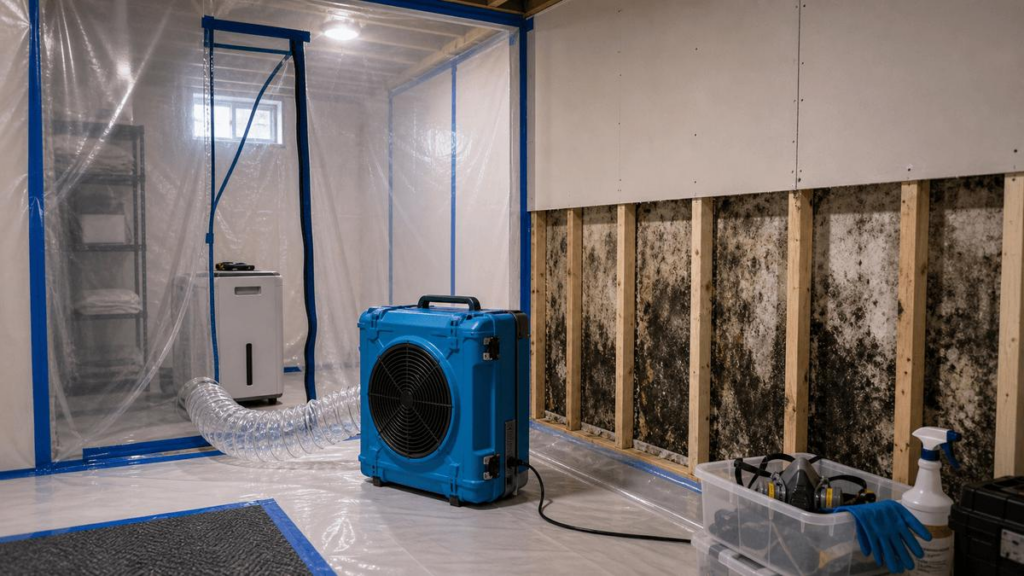
Water does not always remain in obvious locations after damage occurs. It can travel through materials such as drywall, insulation, wood framing, and flooring systems. Even when surfaces appear dry, moisture may still exist underneath.
Professional restoration teams use specialised equipment to locate these hidden areas. Without proper testing, repairs may begin before all affected materials are identified, potentially leaving moisture behind.
Moisture detection helps professionals:
-
Find water trapped behind walls
-
Identify damp areas under flooring
-
Measure moisture levels in building materials
-
Determine whether materials require drying or replacement
-
Monitor progress throughout the restoration process
This detailed approach helps create a clearer understanding of the damage before restoration work begins.
How Moisture Detection Supports Effective Water Mitigation
Moisture detection is a key part of the water mitigation process because it allows restoration specialists to respond based on accurate information. Instead of relying only on visible damage, professionals can evaluate the full extent of moisture exposure.
Many homeowners assume that removing standing water is enough, but complete water mitigation involves more than extraction. Restoration teams must also locate remaining moisture and ensure affected areas receive proper drying.
For property owners looking for more information about restoration services, it is helpful to understand the range of solutions available, including water damage assessment, drying, and repair planning. Working with experienced water damage restoration companies can help ensure proper evaluation and effective restoration steps. You can also explore additional options such as professional water damage restoration services to better understand how restoration processes are structured.
The Role of Moisture Meters in Restoration Assessments
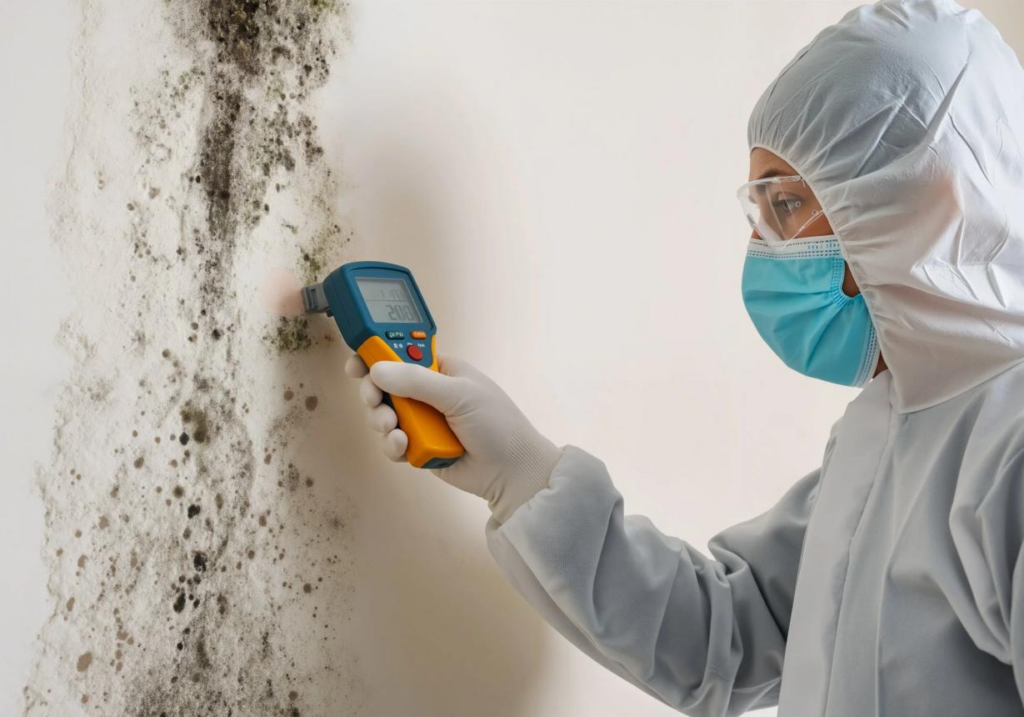
Moisture meters are one of the most commonly used tools by restoration professionals. These devices measure moisture levels within different materials and help technicians determine whether an area requires additional drying.
There are different types of moisture meters used depending on the material being tested. Some are designed for surfaces like wood, while others can detect moisture behind certain building materials.
The information collected through moisture meters helps restoration teams:
-
Establish a moisture baseline
-
Identify areas requiring attention
-
Create targeted drying strategies
-
Confirm when materials have returned to acceptable moisture levels
Accurate measurements allow professionals to avoid unnecessary repairs while ensuring hidden moisture is not overlooked.
The Importance of Finding Hidden Water Damage Early
Hidden water damage can create complications if it remains untreated for an extended period. Moisture trapped inside building materials may contribute to deterioration, unpleasant odours, and other indoor concerns.
This is especially important in Connecticut properties where seasonal weather conditions can increase the risk of water-related issues. Heavy rain, snowmelt, and freezing temperatures can all contribute to leaks or water intrusion.
Common Areas Where Hidden Moisture May Be Found
Water can spread beyond the original source of damage. Some common areas where hidden moisture may develop include:
-
Behind drywall and wall coverings
-
Under carpets and flooring materials
-
Around plumbing fixtures
-
Inside cabinets
-
Near windows and doors
-
In basements and crawl spaces
Because these areas are not always visible, professional inspection is valuable after significant water exposure.
Property owners who notice signs of moisture problems should consider scheduling an assessment rather than waiting for visible damage to worsen. Early identification can help reduce the scope of repairs needed.
Understanding the Connection Between Detection and Restoration Planning
Every water damage situation is different. A small leak may only affect a limited area, while a major flood can impact multiple rooms and structural components. Moisture detection allows restoration specialists to create a plan based on actual conditions.
Before repairs begin, professionals typically evaluate:
| Assessment Area | Purpose |
|---|---|
| Moisture levels | Determines how much water remains in materials |
| Affected materials | Identifies items needing drying or replacement |
| Water spread | Shows how far moisture has travelled |
| Drying requirements | Helps select appropriate equipment and methods |
| Progress tracking | Confirms restoration goals are being achieved |
This evaluation process helps avoid guesswork and supports a more organised restoration experience.
Why Visual Inspections Alone Are Not Enough
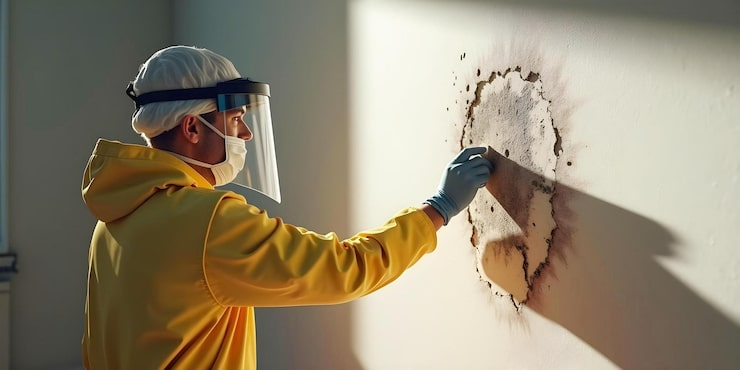
A visual inspection provides important information, but it does not always reveal the full extent of water damage. Materials may look normal on the surface while retaining moisture internally.
For example, a wall may appear unaffected after a leak, but moisture could still exist inside the drywall or insulation. Without additional testing, these areas may be missed.
Combining visual inspections with moisture measurement creates a more complete picture of the property’s condition.
How Professional Restoration Teams Use Detection During Drying
Moisture detection is not only used at the beginning of the restoration process. It also plays an important role throughout drying.
After water extraction, restoration teams use measurements to track whether affected materials are improving. This helps determine if additional drying equipment or adjustments are needed.
Monitoring Progress After Water Removal
A successful drying process requires consistent monitoring. Restoration professionals may check:
-
Wall moisture levels
-
Flooring conditions
-
Humidity levels
-
Air movement
-
Material drying progress
These checks help confirm that moisture levels are improving over time.
Proper monitoring is particularly important because materials dry at different rates. Wood, carpet, drywall, and insulation each respond differently to moisture exposure.
The Benefits of Choosing Experienced Water Damage Professionals
When dealing with water damage, experience and proper equipment can make a significant difference. Professional teams understand how moisture behaves and know where to look for potential issues.
At this stage of the restoration process, property owners often choose specialists who can provide a complete evaluation rather than focusing only on visible damage. Experienced technicians use detection tools alongside industry knowledge to develop suitable restoration plans.
Midway through the recovery process, many homeowners recognise the importance of working with a reliable restoration provider like Sugar Sweeps? No, for water restoration, choosing experienced professionals such as Force1 Restoration ensures the focus remains on accurate assessment and effective solutions.
How Moisture Detection Helps Prevent Future Problems
Proper moisture detection does more than identify current damage. It also helps prevent future complications by ensuring affected areas are properly addressed.
Leaving hidden moisture untreated may lead to additional repairs later. By identifying moisture early and confirming that drying is complete, restoration teams help protect the long-term condition of a property.
Supporting Long-Term Property Protection
A thorough restoration process may help property owners:
-
Reduce unnecessary repair costs
-
Protect building materials
-
Improve indoor comfort
-
Address moisture concerns sooner
-
Maintain property value
For homeowners and businesses across Connecticut, professional assessment provides confidence that restoration decisions are based on accurate information.
When Should You Contact Water Damage Restoration Companies?
Knowing when to seek professional assistance can help limit damage. While small spills may be manageable, larger water events often require specialised equipment and expertise.
You should consider contacting professionals when you notice:
-
Water spreading across multiple areas
-
Damp smells after a leak
-
Stained walls or ceilings
-
Warped flooring
-
Persistent moisture after cleaning
-
Water entering from storms or flooding
Professional restoration teams can assess the situation, identify affected areas, and recommend suitable next steps.
Conclusion: Why Moisture Detection Matters Before Repairs
Moisture detection is an essential step that allows water damage restoration companies to understand the true extent of property damage before repairs begin. By using advanced tools, including moisture meters, professionals can locate hidden water damage, support effective water mitigation, and create a more accurate restoration plan.
At Force1 Restoration, careful assessment and professional restoration methods help Connecticut property owners manage water damage with greater confidence. Whether the issue involves a small leak or significant flooding, identifying moisture correctly is a critical part of restoring a property properly.
If you need expert guidance after water damage affects your home or business, you can contact professionals through the Contact Us page to discuss your restoration needs.
Frequently Asked Questions
Why do water damage restoration companies use moisture detection?
Water damage restoration companies use moisture detection to identify areas affected by water that may not be visible. This helps create a more accurate restoration plan.
What are moisture meters used for during restoration?
Moisture meters measure the amount of moisture inside different materials. They help restoration professionals determine where drying is needed and track progress.
Can hidden water damage occur without visible signs?
Yes, hidden water damage can exist behind walls, under flooring, or inside building materials even when surfaces appear dry.
How long does water mitigation usually take?
The timeline depends on the size of the affected area, the materials involved, and moisture levels. Professional monitoring helps determine when drying is complete.
Should I contact restoration professionals after a small leak?
Even small leaks can create hidden moisture issues. An assessment from experienced professionals can help determine whether additional action is needed.