Flooding can leave homeowners feeling overwhelmed, especially when water affects flooring, walls, furniture, and personal belongings. Even after the water recedes, hidden moisture may continue causing problems if it is not addressed properly. Understanding what happens during the restoration process helps homeowners prepare for the next steps and make informed decisions.
At Force 1 Restoration, we understand that recovering after a flood requires a structured approach. Professional water damage restoration companies follow proven procedures to assess damage, begin cleanup, and restore affected areas safely. Whether a property experiences flooding from severe storms, plumbing failures, or unexpected water intrusion, acting quickly supports a more efficient recovery. For homeowners in Connecticut, timely restoration can also help reduce the impact of seasonal weather-related flooding.
Why Immediate Action Is Important After Flood Damage
The first hours after flooding are often the most important. Water can continue spreading through building materials, increasing the chance of additional damage if cleanup is delayed.
Understanding why quick action matters helps homeowners appreciate each step of the restoration process.
How Water Continues to Affect a Property
Standing water may seem like the biggest concern, but moisture continues moving into surrounding materials even after visible water disappears.
Water may affect:
-
Drywall
-
Flooring
-
Wooden framing
-
Cabinets
-
Insulation
-
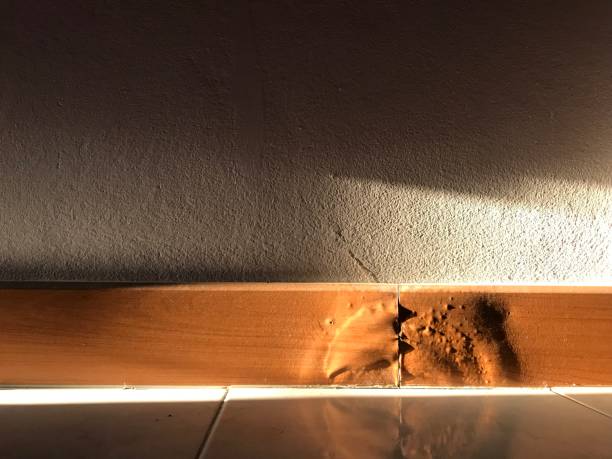
Baseboards
As moisture spreads, affected materials become more difficult to dry completely.
Proper inspections help determine how far the water has traveled before restoration begins.
Preventing Additional Property Damage
The longer moisture remains inside a structure, the greater the possibility that building materials may weaken over time.
Early action helps reduce risks such as:
-
Warped flooring
-
Damaged drywall
-
Structural weakening
-
Lingering moisture
-
Damage to personal belongings
Beginning restoration quickly creates better conditions for successful recovery.
What Happens During the Initial Property Inspection
Every restoration project begins with a detailed inspection. Before equipment is brought into the property, technicians evaluate the extent of water intrusion and identify affected materials.
This assessment creates the foundation for the restoration plan.
Assessing Visible and Hidden Water Damage
Some flood damage is easy to identify, while other areas require careful evaluation. Moisture may remain trapped behind walls or beneath flooring without obvious signs.
Professionals often inspect:
-
Interior walls
-
Flooring materials
-
Ceiling areas
-
Crawl spaces
-
Cabinets
-
Structural framing
A complete inspection provides a better understanding of what restoration work is needed.
Determining the Scope of Restoration
Every property experiences flooding differently. Restoration plans are developed based on the amount of water, affected materials, and overall condition of the structure.
Factors commonly evaluated include:
| Inspection Area | Purpose |
|---|---|
| Flooring | Identify trapped moisture |
| Walls | Check for water penetration |
| Ceilings | Detect leaks or saturation |
| Structural framing | Evaluate overall condition |
| Insulation | Determine moisture exposure |
This information helps guide the next stages of the restoration process.
Understanding the Flood Cleanup Process
Once the inspection is complete, technicians begin removing standing water and preparing the property for drying.
Each step is designed to reduce moisture while protecting the remaining structure whenever possible.
Removing Standing Water
The first priority is eliminating standing water from affected areas. Specialized equipment helps remove large amounts of water more efficiently than household methods.
Water removal may involve:
-
High-capacity extraction equipment
-
Pumps
-
Wet vacuums
-
Moisture collection systems
Removing water quickly supports the next phase of restoration.
Cleaning Affected Areas
After water extraction, surfaces are cleaned to remove dirt, debris, and contaminants left behind by floodwater.
Cleaning may include:
-
Hard surface cleaning
-
Debris removal
-
Material separation
-
Surface preparation
-
Disposal of unsalvageable materials
A clean work area allows the drying process to begin more effectively.
The Drying Process and Why It Takes Time
Although standing water may be removed within hours, hidden moisture often remains inside building materials. Drying is one of the most important stages of restoration because it addresses moisture that cannot be seen.
The drying process varies depending on the extent of flooding and the materials involved.
Using Professional Drying Equipment
Professional restoration teams use equipment designed to improve airflow and reduce moisture throughout the property.
Common equipment includes:
-
Air movers
-
Commercial dehumidifiers
-
Moisture meters
-
Air circulation equipment
These tools help create conditions that encourage materials to dry more evenly.
The goal is not only to dry visible surfaces but also to reduce moisture inside walls, flooring, and structural components.
Monitoring Moisture Levels Throughout the Process
Drying does not end when surfaces appear dry. Moisture readings help determine whether hidden areas still contain excess water.
Technicians may monitor:
-
Wall moisture
-
Flooring moisture
-
Humidity levels
-
Structural materials
-
Air conditions
Regular monitoring allows adjustments to equipment placement as drying progresses.
How Emergency Restoration Helps Protect Your Property
Flood situations often require immediate attention because conditions inside the property can change quickly. Emergency restoration focuses on stabilizing the structure while preparing for complete repairs.
Quick response helps reduce further complications and supports a smoother recovery process.
Stabilizing the Property
Before repairs begin, professionals work to create a safe environment by addressing immediate concerns.
Initial stabilization may include:
-
Water removal
-
Temporary protective measures
-
Moisture control
-
Safety evaluations
-
Damage documentation
These steps help prepare the property for the remaining restoration work.
Protecting Building Materials
Not every material affected by flooding requires replacement. Professional evaluations help determine which materials can safely remain and which should be removed.
Careful assessment supports better restoration decisions while helping preserve unaffected portions of the property.
Restoring Damaged Areas After the Property Has Dried
Once the drying process is complete, restoration work shifts toward repairing or replacing damaged building materials. The exact work depends on the severity of the flood and the condition of the affected areas.
The goal is to return the property to a safe and functional condition while addressing damage caused by water intrusion.
Repairing Structural Components
Floodwater can affect more than visible surfaces. Walls, flooring, insulation, and framing may require repairs after moisture has been removed.
Common restoration work may include:
-
Replacing damaged drywall
-
Repairing flooring materials
-
Restoring trim and baseboards
-
Replacing insulation when necessary
-
Repairing affected structural components
Each repair is based on the condition of the materials following the inspection and drying stages.
Restoring Interior Spaces
After structural repairs are complete, attention turns toward restoring the appearance and functionality of the home.
Interior restoration may involve:
-
Painting repaired surfaces
-
Installing replacement flooring
-
Replacing damaged fixtures
-
Reinstalling trim
-
Final cleaning of affected rooms
These final steps help prepare the property for normal daily use again.
What Can Affect the Restoration Timeline?
Every flood restoration project is different. Some homes require only a few days of drying, while others need more extensive repairs depending on the amount of water and the materials involved.
Understanding the factors that influence the timeline helps homeowners know what to expect.
Factors That Influence Project Length
Several conditions determine how long restoration may take.
These include:
-
Amount of standing water
-
Size of the affected area
-
Type of building materials
-
Moisture levels
-
Extent of repairs required
Each project follows its own schedule based on the property’s condition rather than a fixed timeline.
Why Thorough Drying Should Not Be Rushed
Although homeowners often want repairs completed as quickly as possible, drying is one of the most important stages of restoration.
Allowing enough time for proper drying helps:
-
Reduce hidden moisture
-
Protect structural materials
-
Improve repair quality
-
Lower the risk of future moisture problems
-
Support long-term property protection
Completing each phase carefully contributes to a more successful restoration.
Choosing Professional Water Damage Restoration Companies
Understanding how water damage restoration companies typically approach flood recovery can help homeowners know what to expect. Restoration teams generally follow a structured process, explaining each stage of the work and assessing the extent of the damage before moving forward.
Professional experience also helps identify hidden issues that may otherwise go unnoticed.
Qualities to Look For
When comparing restoration providers, homeowners may wish to consider several important factors.
Look for companies that offer:
-
Detailed property inspections
-
Clear restoration plans
-
Modern drying equipment
-
Experience with flood cleanup
-
Ongoing project communication
A structured process helps homeowners better understand what to expect during restoration.
Asking the Right Questions
Before work begins, homeowners may benefit from asking questions about the restoration process.
Helpful questions include:
-
What areas have been affected?
-
How long will drying take?
-
Which materials can be restored?
-
How will moisture be monitored?
-
What repairs may be required?
Good communication supports better decision-making throughout the project.
Force 1 Restoration provides professional guidance throughout every stage of the restoration process, helping homeowners better understand their property’s condition after flooding.
Tips for Protecting Your Home After Restoration
Completing restoration is only one part of protecting a property. Ongoing maintenance and regular inspections can help homeowners identify future concerns before they become larger problems.
Simple preventive measures contribute to long-term property care.
Create a Home Maintenance Routine
Regular maintenance helps homeowners monitor areas that may be vulnerable to future water damage.
Helpful maintenance tasks include:
-
Inspecting plumbing systems
-
Cleaning gutters regularly
-
Checking window and door seals
-
Monitoring basements and crawl spaces
-
Inspecting the roof after major storms
Routine maintenance supports early problem detection.
Keep Important Records
Maintaining documentation can make future maintenance and repairs easier.
Consider keeping records of:
| Record Type | Why It Is Helpful |
|---|---|
| Restoration reports | Documents completed work |
| Inspection results | Tracks property condition |
| Repair invoices | Provides maintenance history |
| Photos | Shows previous damage and repairs |
| Maintenance schedule | Helps organize future inspections |
Good documentation helps homeowners monitor the condition of their property over time.
Preparing for Future Flood Events
While floods cannot always be prevented, homeowners can prepare their properties for future weather events through planning and maintenance.
Small preventive steps may help reduce future disruption.
Develop an Emergency Plan
Preparing before severe weather occurs allows homeowners to respond more efficiently.
An emergency plan may include:
-
Knowing utility shutoff locations
-
Protecting important documents
-
Creating an emergency contact list
-
Monitoring weather alerts
-
Reviewing evacuation procedures if necessary
Planning ahead provides greater peace of mind.
Schedule Regular Property Inspections
Professional inspections can identify developing issues before they become serious.
Routine evaluations help monitor:
-
Roofing systems
-
Plumbing components
-
Drainage systems
-
Foundation concerns
-
Moisture-prone areas
Preventive inspections contribute to better long-term property protection.
Water damage restoration services can help homeowners evaluate existing concerns and develop a plan for restoring properties affected by flooding.
Conclusion
Flood damage can affect many parts of a home, even after standing water has been removed. Understanding each stage of the restoration process helps homeowners know what to expect and why every step plays an important role in protecting the property.
At Force 1 Restoration, we understand that recovering from flooding requires careful planning, professional evaluations, and thorough restoration. Experienced water damage restoration companies help guide homeowners through inspections, flood cleanup, the drying process, repairs, and final restoration while helping reduce the risk of additional damage.
By responding quickly, following a structured restoration plan, and maintaining the property afterward, homeowners can better protect their investment and prepare for future weather-related challenges.
Contact Us
If your property has been affected by flooding and you need professional restoration guidance, visit our Contact Us page to connect with our team and discuss your restoration needs.
Frequently Asked Questions
Water damage restoration companies inspect the property, remove standing water, begin the drying process, repair damaged areas, and restore affected spaces.
The drying process varies depending on the amount of water, affected materials, humidity levels, and the overall condition of the property.
Yes. Flood cleanup may involve additional cleaning procedures because floodwater can contain debris and contaminants that require specialized handling.
Yes. Moisture can remain inside walls, flooring, insulation, and other building materials, making professional drying and moisture monitoring important.
Emergency restoration helps stabilize the property, remove water quickly, reduce additional damage, and prepare the home for complete restoration.