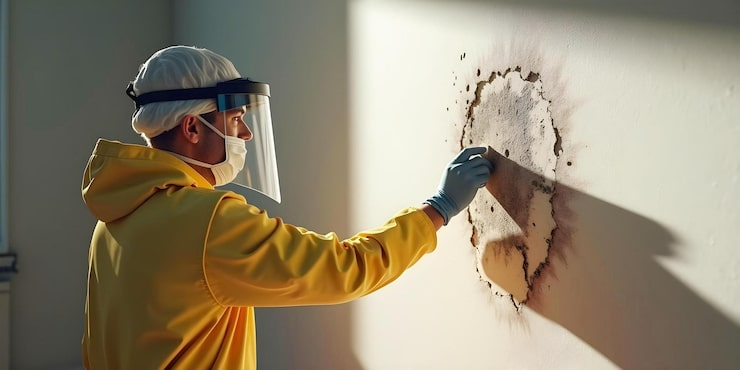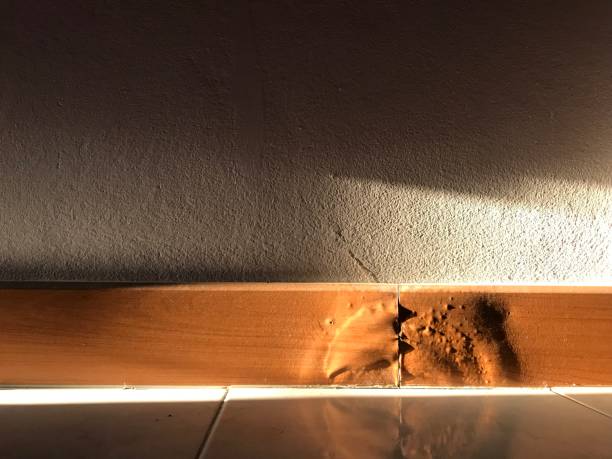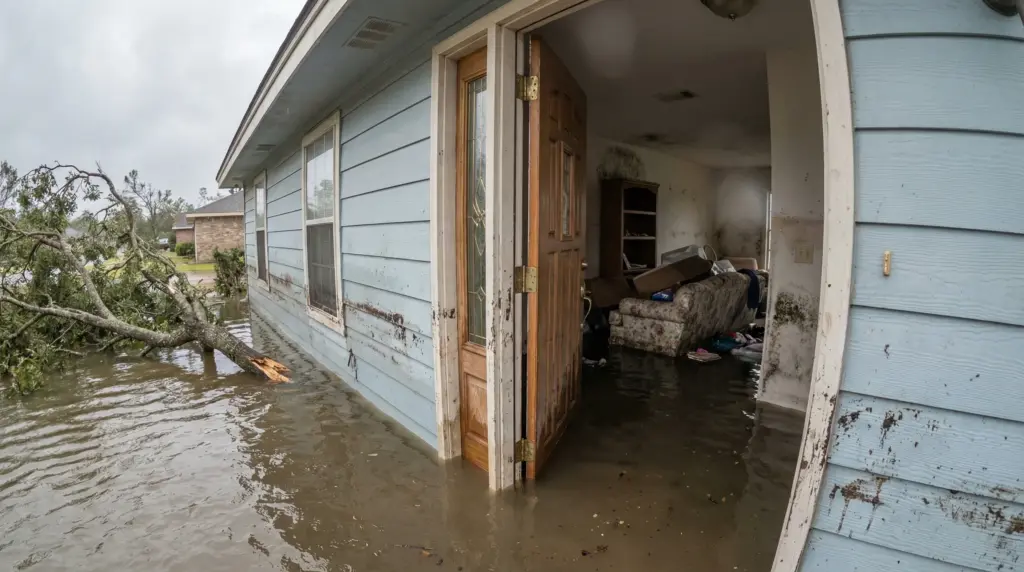
Mold can develop quietly inside a home or business, often growing in places that are not immediately visible. While small surface spots may appear harmless, hidden moisture can allow mold to spread behind walls, beneath flooring, or inside ceilings. Knowing when professional help is needed can prevent larger restoration challenges later.
At Force 1 Restoration, we understand that identifying mold early is an important part of protecting a property’s condition. Professional mold clean up services involve much more than removing visible mold. They include locating the source of moisture, evaluating affected materials, and restoring safe conditions throughout the property. For homeowners in Connecticut, routine inspections after water damage can help reduce the chance of hidden mold developing over time.
Why Mold Develops Inside Homes and Businesses
Mold requires moisture to grow, making damp environments especially vulnerable after leaks, flooding, or excess humidity. Understanding why mold develops helps property owners recognize situations that deserve closer attention.
The following sections explain the common causes of indoor mold and why moisture control plays such an important role.
Moisture Creates the Right Conditions
Mold spores naturally exist in the environment, but they usually become a concern when excess moisture remains inside a building.
Common moisture sources include:
-
Roof leaks
-
Plumbing leaks
-
Flood damage
-
Poor ventilation
-
Condensation around windows
-
Damp basements
When these conditions remain unresolved, mold may begin growing on building materials within a relatively short period.
Regular inspections after water damage help identify moisture before visible mold appears.
Hidden Areas Often Go Unnoticed
One of the biggest challenges with mold is that it frequently develops behind finished surfaces.
Hidden mold may exist inside:
-
Wall cavities
-
Ceiling spaces
-
Under flooring
-
Crawl spaces
-
Behind cabinets
-
Around HVAC systems
Because these areas are difficult to inspect without proper equipment, professional evaluations are often necessary when moisture problems are suspected.
Common Signs That Mold May Require Professional Attention
Not every mold problem is immediately obvious. Many warning signs appear gradually, making early recognition important for homeowners.
Understanding these indicators can help determine when a professional assessment may be appropriate.
Visible Mold Growth
Visible mold is often the first sign homeowners notice. It may appear in different colors and textures depending on the environment.
Mold may look like:
-
Black spots
-
Green patches
-
White fuzzy growth
-
Gray discoloration
-
Brown staining
Although surface mold can sometimes appear small, the visible area may represent only part of the overall problem.
Professional evaluations help determine whether hidden mold is also present.
Persistent Musty Odors
A musty smell that does not disappear after cleaning may indicate hidden moisture and mold activity.
Odors often become stronger in:
-
Basements
-
Bathrooms
-
Laundry rooms
-
Attics
-
Utility rooms
When odors continue without an obvious source, further inspection may be recommended.
Why Mold Inspection Is an Important First Step
Before cleanup begins, professionals perform a detailed mold inspection to understand the extent of the issue. Every property is different, making inspection an essential part of the restoration process.
A careful assessment helps determine where mold is located and what materials have been affected.
Identifying the Source of Moisture
Removing visible mold without correcting the moisture problem often allows mold to return.
During an inspection, professionals may evaluate:
-
Plumbing systems
-
Roof conditions
-
Window seals
-
Ventilation
-
Foundation moisture
-
Previous water damage
Finding the moisture source helps support a more complete restoration process.
Evaluating the Extent of Mold Growth
Professionals also determine how much of the property has been affected before recommending cleanup procedures.
| Inspection Area | Purpose |
|---|---|
| Walls | Check for hidden mold |
| Flooring | Detect trapped moisture |
| Ceilings | Identify water intrusion |
| Crawl spaces | Evaluate humidity conditions |
| HVAC systems | Inspect possible mold spread |
This evaluation provides valuable information before restoration begins.
How Mold Can Affect Indoor Air Quality
Mold growth does not always remain confined to one area. As spores move through indoor spaces, they may affect the overall environment inside the property.
Understanding this connection helps explain why complete restoration is important.
Air Movement Can Spread Mold Spores
Heating and cooling systems naturally circulate air throughout a building. When mold is present, spores may travel into additional rooms.
Areas that may be affected include:
-
Living rooms
-
Bedrooms
-
Offices
-
Hallways
-
Ventilation systems
Reducing moisture and properly addressing mold helps improve overall indoor air quality.
Hidden Mold May Continue Spreading
Even when visible mold appears limited, moisture behind walls or under flooring may allow additional growth to continue unnoticed.
Professional inspections help identify hidden areas before restoration work begins.
Ignoring hidden mold can make future restoration more extensive.
Understanding the Mold Clean Up Process
Professional mold clean up services involve more than simply removing visible mold. The process focuses on identifying moisture problems, treating affected areas, and removing damaged materials when needed to help prevent future mold growth.
Each restoration plan is based on the property’s specific condition.
Safe Removal Procedures
Professionals use structured procedures designed to manage affected materials while reducing unnecessary disturbance.
Cleanup may involve:
-
Containment of affected areas
-
Removal of damaged materials
-
Cleaning accessible surfaces
-
Moisture control
-
Final inspections
Each step supports a more thorough restoration process.
Preventing Future Mold Problems
Restoration also focuses on reducing conditions that encourage future mold development.
Preventive recommendations may include:
-
Improving ventilation
-
Repairing leaks
-
Controlling indoor humidity
-
Monitoring moisture-prone areas
-
Scheduling periodic inspections
These practices help protect the property after cleanup.
Choosing Professional Support for Mold-Related Concerns
When mold problems become noticeable, choosing the right approach is important for protecting the property. While some minor surface issues may seem manageable, larger concerns often require professional evaluation and specialized solutions.
Professional support helps ensure the problem is properly assessed rather than temporarily covered.
Why Professional Experience Matters
Mold issues can vary greatly depending on the location, moisture source, and affected materials. Professionals understand how mold behaves in different environments and use structured methods to address the problem.
Professional assistance can help with:
-
Identifying hidden moisture sources
-
Determining affected areas
-
Selecting appropriate cleanup methods
-
Protecting unaffected spaces
-
Reducing the chance of recurring issues
A complete approach focuses on both removing existing mold and addressing the conditions that allowed it to develop.
Understanding the Restoration Process
The restoration process generally follows several steps to ensure the property receives proper attention.
A typical process may include:
-
Initial property assessment
-
Moisture source identification
-
Containment of affected areas
-
Removal and cleaning of impacted materials
-
Final inspection and evaluation
Following a structured process helps create better outcomes for homeowners and property managers.
Force 1 Restoration helps property owners understand their restoration needs by providing professional assessments and solutions based on the condition of each property.
When DIY Mold Removal May Not Be Enough
Many homeowners attempt to clean small areas of mold themselves. While basic cleaning may work for limited surface issues, larger problems often require additional evaluation.
Understanding the limitations of DIY methods can help homeowners make safer decisions.
Situations That Require Professional Attention
Professional assistance may be recommended when:
-
Mold covers a large area
-
Mold returns after cleaning
-
Water damage has occurred
-
Mold is located behind walls
-
There are strong musty odors
-
The moisture source is unknown
These situations often indicate that the visible mold may not represent the full extent of the problem.
The Importance of Addressing the Root Cause
Cleaning mold without fixing the underlying moisture issue may only provide temporary results.
Common causes that need attention include:
-
Leaking pipes
-
Poor drainage
-
Roof damage
-
Excess humidity
-
Water intrusion
Addressing the source helps reduce conditions that support future mold growth.
How Property Owners Can Help Prevent Future Mold Growth
After professional cleanup is completed, ongoing prevention plays an important role in protecting the property. Maintaining dry and well-ventilated spaces can reduce the likelihood of future mold concerns.
Simple maintenance steps can make a significant difference over time.
Control Indoor Moisture Levels
Moisture management is one of the most effective ways to reduce mold risks.
Homeowners can help control moisture by:
-
Using exhaust fans in bathrooms
-
Repairing leaks quickly
-
Using dehumidifiers in damp areas
-
Improving airflow
-
Checking areas after heavy rainfall
Maintaining balanced humidity levels supports a healthier indoor environment.
Monitor Areas Prone to Moisture Problems
Certain areas of a property require more attention because they are naturally exposed to moisture.
Regularly check:
| Area | Potential Concern |
|---|---|
| Basement | Water intrusion and humidity |
| Bathroom | Poor ventilation and condensation |
| Kitchen | Plumbing leaks and moisture buildup |
| Attic | Roof leaks and ventilation issues |
| Laundry areas | Appliance leaks and excess moisture |
Regular monitoring allows homeowners to identify problems before they become more serious.
Mold remediation services can assist property owners in addressing existing mold concerns and improving conditions that contribute to recurring problems.
The Connection Between Water Damage and Mold Development
Water damage and mold growth are closely connected because excess moisture creates an environment where mold can develop. Even small leaks or hidden water issues may create long-term concerns if they are not addressed properly.
Understanding this connection helps homeowners respond more effectively after water-related incidents.
Acting Quickly After Water Damage
Fast action after flooding or leaks can help reduce the possibility of mold development.
Important steps include:
-
Removing standing water
-
Drying affected areas
-
Increasing airflow
-
Inspecting moisture levels
-
Contacting professionals when needed
Quick response helps reduce the amount of time materials remain wet.
Why Drying Is Essential
Complete drying is one of the most important parts of preventing mold after water damage.
A proper drying approach helps:
-
Remove trapped moisture
-
Protect building materials
-
Reduce future mold risks
-
Support healthier indoor conditions
Moisture that remains hidden can create ongoing problems even after surfaces appear dry.
Understanding the Long-Term Benefits of Professional Mold Care
Addressing mold properly provides benefits that go beyond immediate cleanup. A thorough restoration approach helps protect the property and provides homeowners with a clearer understanding of future maintenance needs.
Professional care focuses on creating healthier and more manageable indoor environments.
Protecting Property Condition
Mold can affect building materials if it continues to grow without proper attention.
Professional restoration helps protect:
-
Walls
-
Flooring
-
Ceilings
-
Furniture
-
Structural components
Maintaining the condition of these materials supports the overall value and safety of the property.
Supporting a Healthier Indoor Environment
A properly maintained indoor environment depends on controlling moisture and addressing contamination concerns.
Effective mold management supports:
-
Better indoor air quality
-
Reduced moisture problems
-
Improved property comfort
-
Long-term maintenance planning
Taking action early can help homeowners avoid larger restoration challenges.
Conclusion
Mold problems can develop quietly, but recognizing the warning signs early can make a significant difference. Visible growth, musty odors, recurring moisture issues, and unexplained indoor air concerns may indicate that professional attention is needed.
At Force 1 Restoration, we understand that proper mold management requires more than removing what is visible. Professional mold clean up services involve careful inspection, moisture assessment, safe cleanup methods, and preventive recommendations to help protect properties.
By scheduling a professional evaluation when concerns appear, homeowners can better understand the condition of their property and take steps to address mold problems effectively. Early action helps protect building materials, maintain better indoor air quality, and reduce the chance of future mold growth.
Contact Us
If you are concerned about mold growth, moisture issues, or need professional guidance for your property, visit our Contact Us page to connect with our team and discuss your restoration needs.
Frequently Asked Questions
Professional mold clean up services may be needed when mold covers larger areas, returns after cleaning, develops after water damage, or is located in hidden areas such as walls or ceilings.
A mold inspection involves evaluating visible and hidden areas, identifying moisture sources, checking affected materials, and determining the extent of mold growth.
Yes. Mold spores can move through indoor spaces and may affect the overall indoor environment, especially when mold growth is not properly addressed.
Homeowners can help prevent mold by controlling moisture, repairing leaks quickly, improving ventilation, and monitoring areas where water problems commonly occur.
Professional mold cleanup involves identifying moisture sources, evaluating affected areas, using proper removal methods, and taking steps to reduce the chance of future mold development.