Storms can affect residential properties in many different ways, often leaving homeowners with structural concerns, water intrusion, and costly repairs. Severe weather conditions such as heavy rain, high winds, hail, and flooding may damage roofs, siding, foundations, and interior spaces within a short period of time. Understanding the most common storm damage types can help homeowners identify issues early and respond more effectively after severe weather events.
For many homeowners in Connecticut, seasonal storms and coastal weather patterns can increase the risk of property damage throughout the year. At Force 1 Restoration, property owners can learn more about storm-related restoration services, structural recovery, and emergency cleanup solutions. This guide explains the most common storm-related property issues, how they impact residential structures, and why early restoration is important for long-term property protection.
Understanding Different Storm Damage Types
Storms create multiple forms of damage that may affect both the exterior and interior of a property. Some problems are immediately visible, while others develop gradually after the storm has passed.
Understanding the different categories of storm damage helps homeowners identify risks and prioritize repairs before conditions worsen.
Why Storm Damage Can Spread Quickly
Storm-related damage often becomes more severe when moisture and structural exposure are left untreated. A small roof leak or siding crack can eventually lead to interior water damage, mold growth, and weakened building materials.
Without prompt repairs, homeowners may experience:
-
Interior ceiling stains
-
Insulation damage
-
Wood rot
-
Foundation moisture issues
-
Mold growth
Quick inspections after major storms can help reduce long-term repair costs.
Most Common Residential Storm Risks
Several weather-related conditions commonly affect homes during storms.
These include:
| Storm Condition | Potential Damage |
|---|---|
| High winds | Roof and siding damage |
| Heavy rainfall | Flooding and leaks |
| Hailstorms | Exterior surface damage |
| Snow and ice | Roof stress and water intrusion |
| Fallen trees | Structural impact damage |
Each storm event may create multiple types of property damage simultaneously.
Wind Damage and Structural Concerns
Strong winds are one of the most common causes of residential storm damage. Even moderate wind speeds can loosen roofing materials, damage siding, and weaken outdoor structures.
How Wind Damage Affects Roofs
Roof systems are highly vulnerable during windstorms because shingles and flashing can lift under pressure.
Common roof-related wind damage includes:
-
Missing shingles
-
Loose flashing
-
Damaged gutters
-
Roof punctures from debris
-
Exposed underlayment
Once roofing materials are compromised, water can begin entering the home during future storms.
Damage to Siding and Exterior Features
High winds can also affect siding, windows, fences, and garage doors.
Exterior damage may include:
-
Cracked siding panels
-
Broken windows
-
Detached gutters
-
Fence collapse
-
Damage from airborne debris
Even minor exterior damage should be inspected because hidden moisture may develop behind exposed surfaces.
For homeowners seeking more information about storm-related repairs, storm and wind damage restoration services can help explain professional restoration procedures.
Roof Leaks and Water Intrusion
Roof leaks are one of the most common problems that develop after severe storms. Heavy rain combined with damaged roofing materials often allows water to enter the property.
Signs of Roof Leak Damage
Some roof leaks appear immediately, while others develop slowly over time.
Common warning signs include:
-
Water stains on ceilings
-
Damp attic insulation
-
Peeling paint
-
Musty odors
-
Dripping water during storms
Small leaks may spread moisture into insulation and framing materials before visible damage becomes noticeable.
Long-Term Problems Caused by Roof Leaks
Untreated roof leaks can create additional structural and indoor air quality concerns.
Potential long-term issues include:
| Roof Leak Problem | Possible Result |
|---|---|
| Moisture buildup | Mold growth |
| Saturated insulation | Reduced energy efficiency |
| Wood rot | Structural weakening |
| Ceiling damage | Interior repairs |
Early detection and restoration help prevent more extensive damage.
Flooding Issues After Severe Storms
Heavy rainfall and drainage problems can lead to serious flooding issues around residential properties. Floodwater may affect basements, crawl spaces, flooring, and foundations.
Common Causes of Residential Flooding
Flooding can result from several conditions during severe weather.
These may include:
-
Poor drainage systems
-
Overflowing gutters
-
Foundation cracks
-
Sewer backups
-
Excessive rainfall accumulation
Homes located near low-lying areas are often at greater risk during storms.
How Floodwater Affects Homes
Floodwater can damage both structural and personal property within hours.
Flood-related damage often includes:
-
Saturated drywall
-
Flooring damage
-
Electrical hazards
-
Mold growth risks
-
Foundation moisture problems
Water extraction and drying should begin quickly to reduce long-term structural concerns.
Hail Damage to Residential Properties
Hailstorms can create both visible and hidden property damage. Even small hailstones may weaken roofing materials and exterior surfaces over time.
Roofing Damage From Hail
Hail impacts may shorten the lifespan of roofing materials and increase future leak risks.
Signs of hail damage include:
-
Cracked shingles
-
Missing granules
-
Dented flashing
-
Roof punctures
Professional inspections are often recommended after severe hailstorms.
Damage to Windows and Exterior Surfaces
Hail may also affect other parts of the home.
Commonly damaged areas include:
-
Windows
-
Skylights
-
Siding panels
-
Outdoor HVAC units
Hidden damage may not become visible until future storms create leaks or structural problems.
Tree and Debris Impact Damage
Strong storms often cause trees, branches, and debris to strike residential properties. Impact damage may create immediate structural safety concerns.
Risks of Fallen Trees
Large tree impacts may affect:
-
Roof systems
-
Exterior walls
-
Windows
-
Decks and porches
-
Power lines
Structural inspections are important after any major impact event.
Hidden Damage After Debris Impacts
Some impact-related problems may not be immediately visible.
Possible hidden issues include:
| Hidden Damage Area | Potential Concern |
|---|---|
| Roof framing | Structural weakening |
| Wall cavities | Moisture intrusion |
| Electrical systems | Wiring damage |
| Insulation | Water contamination |
Prompt repairs help reduce additional deterioration after storms.
Homeowners can also learn more about water and structural cleanup services available after severe weather events.
Mold Growth After Storm Damage
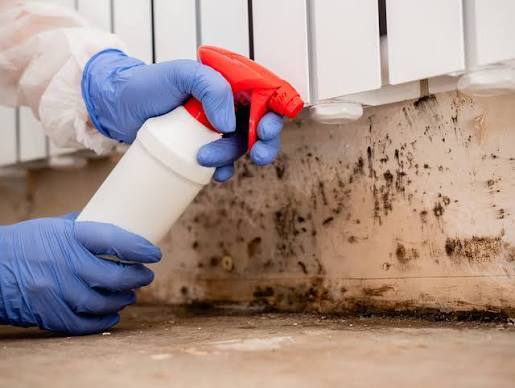
Moisture left behind after storms creates ideal conditions for mold development. Mold growth may begin within 24 to 48 hours if materials remain wet.
Why Storm Damage Increases Mold Risks
Storm-related water intrusion often affects hidden areas inside walls, ceilings, and flooring systems.
Mold commonly develops in:
-
Wet insulation
-
Damp drywall
-
Carpet padding
-
Basement materials
Humidity and poor airflow may increase mold growth even further.
Signs of Mold After Storms
Homeowners should watch for:
-
Musty odors
-
Visible discoloration
-
Increased indoor humidity
-
Peeling paint or bubbling walls
Early remediation helps prevent more extensive contamination.
Electrical and HVAC Damage During Storms
Storms may also damage critical electrical and mechanical systems inside the home.
Electrical Hazards After Water Exposure
Water intrusion can create serious electrical safety risks.
Potential issues include:
-
Damaged outlets
-
Corroded wiring
-
Circuit breaker failures
-
Electrical shorts
Electrical inspections are important before restoring power to affected areas.
HVAC System Damage
Storm-related debris and moisture may affect heating and cooling systems.
Common HVAC concerns include:
-
Water contamination inside ducts
-
Reduced airflow
-
Mold inside ventilation systems
-
Outdoor unit damage
Professional inspections help ensure systems operate safely after storms.
Preventing Future Storm Damage
Although storms cannot be prevented, homeowners can take steps to reduce the risk of major property damage.
Helpful Maintenance Strategies
Preventive maintenance may include:
-
Inspecting roofing materials regularly
-
Cleaning gutters and drainage systems
-
Trimming nearby trees
-
Sealing windows and doors
-
Checking sump pump performance
Routine inspections help identify vulnerabilities before severe weather arrives.
Importance of Emergency Response Planning
Having a storm response plan helps homeowners react quickly after severe weather.
Preparedness steps may include:
| Emergency Task | Purpose |
|---|---|
| Document property condition | Insurance support |
| Store emergency supplies | Safety preparation |
| Identify shutoff locations | Reduce utility risks |
| Schedule inspections quickly | Early damage detection |
Fast action often helps minimize restoration costs and structural damage.
Homeowners in Connecticut may benefit from seasonal inspections before periods of heavy storms, especially in areas vulnerable to coastal weather and strong winds.
Conclusion
Understanding the most common storm damage types helps homeowners identify problems early and protect their properties from long-term structural issues. Wind damage, roof leaks, flooding issues, hail impacts, and debris-related damage can all affect residential structures in different ways after severe weather events.
At Force 1 Restoration, homeowners can access information about storm restoration, water cleanup, and structural recovery services. Taking fast action after severe weather can help reduce property damage, improve safety, and support a smoother restoration process for residential homes.
Contact Us
Need help with storm-related property damage or water cleanup services? Visit the official Contact Us page to connect with the team and learn more about available restoration solutions.
Frequently Asked Questions
What are the most common storm damage types for homes?
Common storm damage types include wind damage, roof leaks, flooding issues, hail damage, and fallen tree impacts.
How can wind damage affect a residential property?
Wind damage may loosen roofing materials, break windows, damage siding, and expose the property to water intrusion.
Why are roof leaks dangerous after storms?
Roof leaks can allow moisture to spread into insulation, ceilings, and walls, leading to mold growth and structural damage.
Can flooding issues lead to mold growth?
Yes, floodwater and excess moisture create conditions that support mold growth if materials are not dried properly.
When should homeowners schedule a storm damage inspection?
Homeowners should schedule an inspection immediately after severe storms to identify hidden damage and prevent further problems.