Water damage can happen when you least expect it. A burst pipe, roof leak, or basement flooding can quickly turn into a stressful situation for any homeowner. However, acting quickly can significantly reduce structural damage and prevent mold growth.
At Force 1 Restoration, we help homeowners respond to emergencies every day. Knowing what to do after water damage can protect your home and make the restoration process much easier. Below, we explain the essential steps to take after water damage, so you can limit damage and restore your property safely.
Key Takeaways
- Act quickly after water damage to prevent structural damage and mold growth.
- Shut off the water source and electricity if it is safe to do so.
- Remove standing water and start drying the area as soon as possible.
- Document the damage for insurance claims before beginning major cleanup.
- Contact a professional water damage restoration company to ensure proper water extraction and drying.
Understanding the Common Causes of Water Damage
Water damage can occur in many different ways. Understanding the source of the problem helps you respond more effectively and prevent future issues. While some situations develop suddenly, others may go unnoticed for weeks.
For example, a burst pipe can release large amounts of water in minutes. On the other hand, slow plumbing leaks can gradually damage floors, walls, and ceilings over time. In both cases, immediate action is essential.
Some of the most common causes of water damage in homes include:
- Burst or leaking pipes
- Basement flooding after heavy rain
- Roof leaks and storm damage
- Appliance failures, such as washing machines or water heaters
- Sewage backups
If you notice signs such as wet drywall, warped floors, or water stains, your home may already be experiencing water damage. Acting quickly can prevent more severe structural issues and reduce the risk of mold growth.
First Steps to Take After Water Damage
When water damage occurs, your first reaction may be panic. However, following the right steps can help protect your property and reduce long-term damage. Quick action is the most important factor in minimizing restoration costs.
Before beginning cleanup, make sure the area is safe. Water and electricity can be a dangerous combination, so safety should always come first.
Here are the first steps to take after water damage in your home:
1. Stop the Water Source
If possible, locate and stop the water source immediately. For instance, you may need to shut off the main water supply if a pipe bursts. If the damage is caused by weather or flooding, focus on preventing more water from entering the home.
2. Turn Off Electricity
If water has reached electrical outlets or appliances, turn off the electricity to avoid hazards. However, only do this if it is safe. Otherwise, wait for professionals to handle it.
3. Remove Standing Water
Standing water can quickly soak into flooring, drywall, and furniture. Using pumps, wet vacuums, or buckets can help remove water faster. This step is part of the water extraction process, which is essential for preventing further damage.
4. Move Valuable Items
Protect furniture, electronics, and personal belongings from further damage. Move items to a dry area if possible.
5. Start Drying the Area
Open windows, use fans, and place dehumidifiers in affected areas. Drying and dehumidification are critical steps in preventing mold growth after water damage.
These early actions can reduce damage significantly. However, professional restoration services are often necessary to completely remove moisture from walls, floors, and hidden spaces.
How to Prevent Mold After Water Damage
Mold is one of the biggest concerns after water damage. In fact, mold can begin growing within 24 to 48 hours if moisture remains in building materials. Therefore, drying the affected areas quickly is essential.
Even if surfaces appear dry, moisture can remain trapped inside walls and insulation. This hidden moisture can lead to mold growth and long-term structural issues.
To prevent mold after water damage:
- Remove wet carpets and padding if necessary
- Use dehumidifiers to reduce indoor humidity
- Dry walls and floors thoroughly
- Monitor for musty odors or discoloration
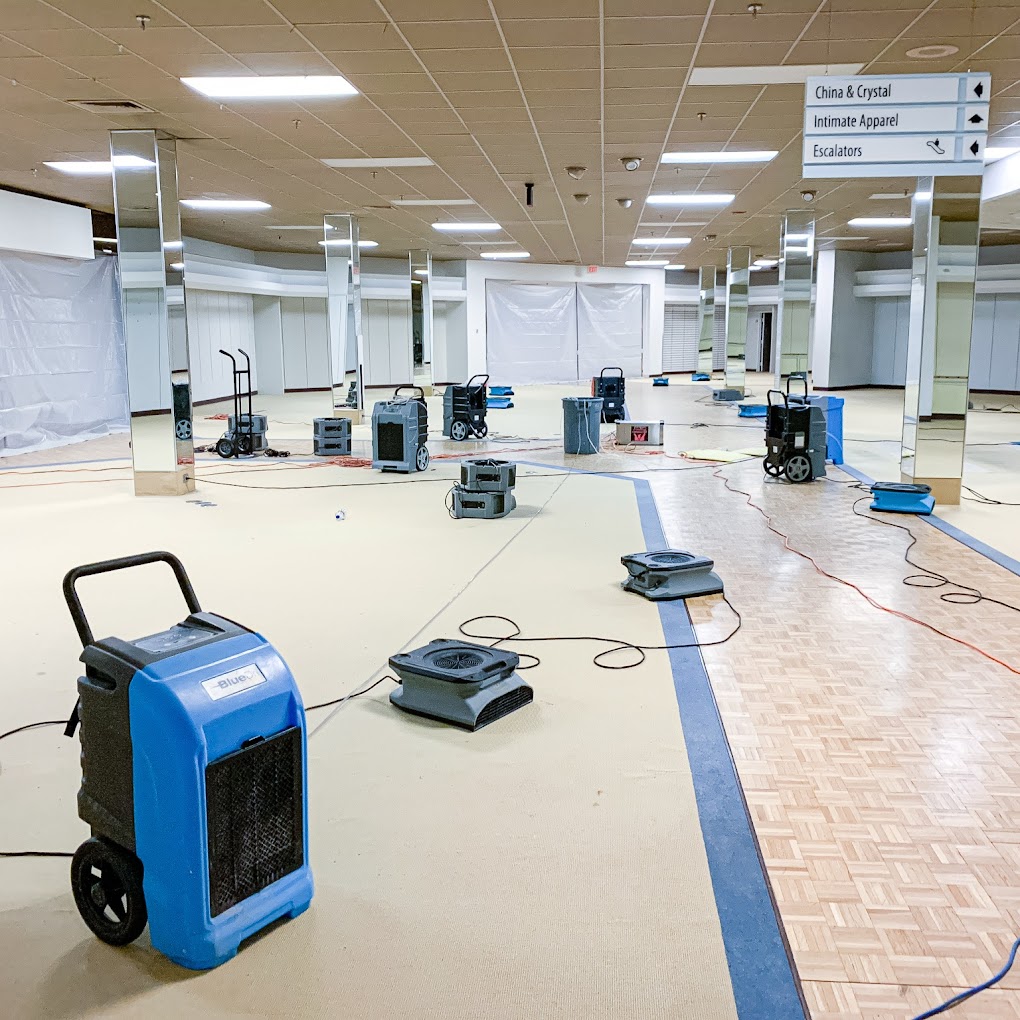
Professional structural drying and moisture removal often use advanced equipment such as industrial air movers and moisture meters. These tools help ensure your home is completely dry.
If mold begins to grow, mold remediation services may be required to remove contamination safely.
Documenting Damage for Insurance Claims
Dealing with insurance claims can feel overwhelming during an emergency. However, proper documentation can make the process much easier. Taking the time to record the damage before major cleanup can help ensure you receive fair compensation.
Start by taking clear photos and videos of affected areas. Capture images of damaged flooring, furniture, walls, and ceilings. These visuals can provide valuable evidence for your insurance provider.
You should also:
- Save receipts for temporary repairs or supplies
- Write down when the damage occurred
- Keep records of restoration services
Many homeowners ask whether water damage is covered by homeowners insurance. Coverage often depends on the cause of the damage. Sudden incidents like burst pipes may be covered, while gradual leaks may not be.
Working with a professional water damage restoration company can help simplify the insurance process. Restoration experts often provide documentation that insurance companies require.
When to Call a Water Damage Restoration Professional
While small water spills may be manageable, major flooding or leaks usually require professional help. Water can spread quickly into hidden areas, which makes complete drying difficult without specialized equipment.
At Force 1 Restoration, we respond to emergency water damage cleanup situations every day. Our team uses advanced tools to perform water extraction, moisture detection, and structural drying.
You should contact a professional restoration service if:
- There is significant standing water in your home
- Water has soaked into the walls or the flooring
- Mold growth is suspected
- Floodwater or sewage contamination is present
Professional restoration also helps prevent long-term structural damage. Without proper drying, moisture can weaken wood framing, drywall, and insulation.
Additionally, professional restoration services help restore your home faster. Instead of struggling with DIY cleanup, experts can handle water mitigation, drying, and repairs efficiently.
Why Fast Water Damage Restoration Matters
Many homeowners underestimate how quickly water damage can spread. Within hours, moisture can seep into floors, walls, and furniture. If untreated, this moisture can lead to serious problems such as mold growth and structural weakening.
Fast response is essential because it reduces damage and restoration costs. The sooner water extraction and drying begin, the better the chances of saving materials like flooring and drywall.
Professional restoration companies use advanced equipment including:
- Industrial water extraction pumps
- High-powered air movers
- Commercial dehumidifiers
- Moisture detection tools
These tools allow technicians to remove water and dry structures efficiently. As a result, your home can return to normal conditions much faster.
Frequently Asked Questions
What should you do immediately after water damage in your home?
First, stop the water source if possible. Next, turn off electricity in affected areas. Remove standing water and begin drying the space using fans or dehumidifiers. Finally, document the damage for insurance and contact a professional water damage restoration company to prevent structural damage and mold growth.
How quickly should water damage be addressed?
Water damage should be addressed within 24 hours or less. Moisture can quickly spread through floors, drywall, and furniture. If left untreated, mold can begin growing within 24–48 hours, which can lead to health risks and costly repairs.
Can you clean up water damage yourself?
Minor spills may be manageable, but serious water damage often requires professional restoration. Hidden moisture can remain inside walls and flooring. Professional technicians use water extraction equipment, air movers, and dehumidifiers to ensure complete drying and prevent mold growth.
What happens if water damage is not treated quickly?
Untreated water damage can lead to mold growth, structural damage, and weakened building materials. Over time, moisture can rot wood, damage drywall, and cause unpleasant odors. Delaying restoration often increases repair costs and may also create health hazards for occupants.
Does homeowners insurance cover water damage?
Homeowners insurance usually covers sudden and accidental water damage, such as burst pipes or appliance leaks. However, damage caused by neglect, gradual leaks, or flooding may not be covered. Always review your policy and document damage for your insurance claim.
Call Force 1 Restoration for Immediate Help
Water damage emergencies require fast action. Whether your home has experienced basement flooding, burst pipe damage, or storm-related leaks, professional help can prevent the situation from becoming worse.
At Force 1 Restoration, we provide 24/7 emergency water damage restoration services. Our team responds quickly to remove water, dry your home, and prevent mold growth.
We proudly serve homeowners needing water damage restoration, flood cleanup, and emergency water removal. If your home has been affected by water damage, our experienced technicians are ready to help restore your property safely and efficiently.
Contact Force 1 Restoration today to schedule emergency water damage cleanup and protect your home from further damage.